
The fleet
Four drones,
one fleet
From the Tullio prototype to Midnight: seven years of aircraft designed, built and flown by students.
2026 · Air Cargo Challenge
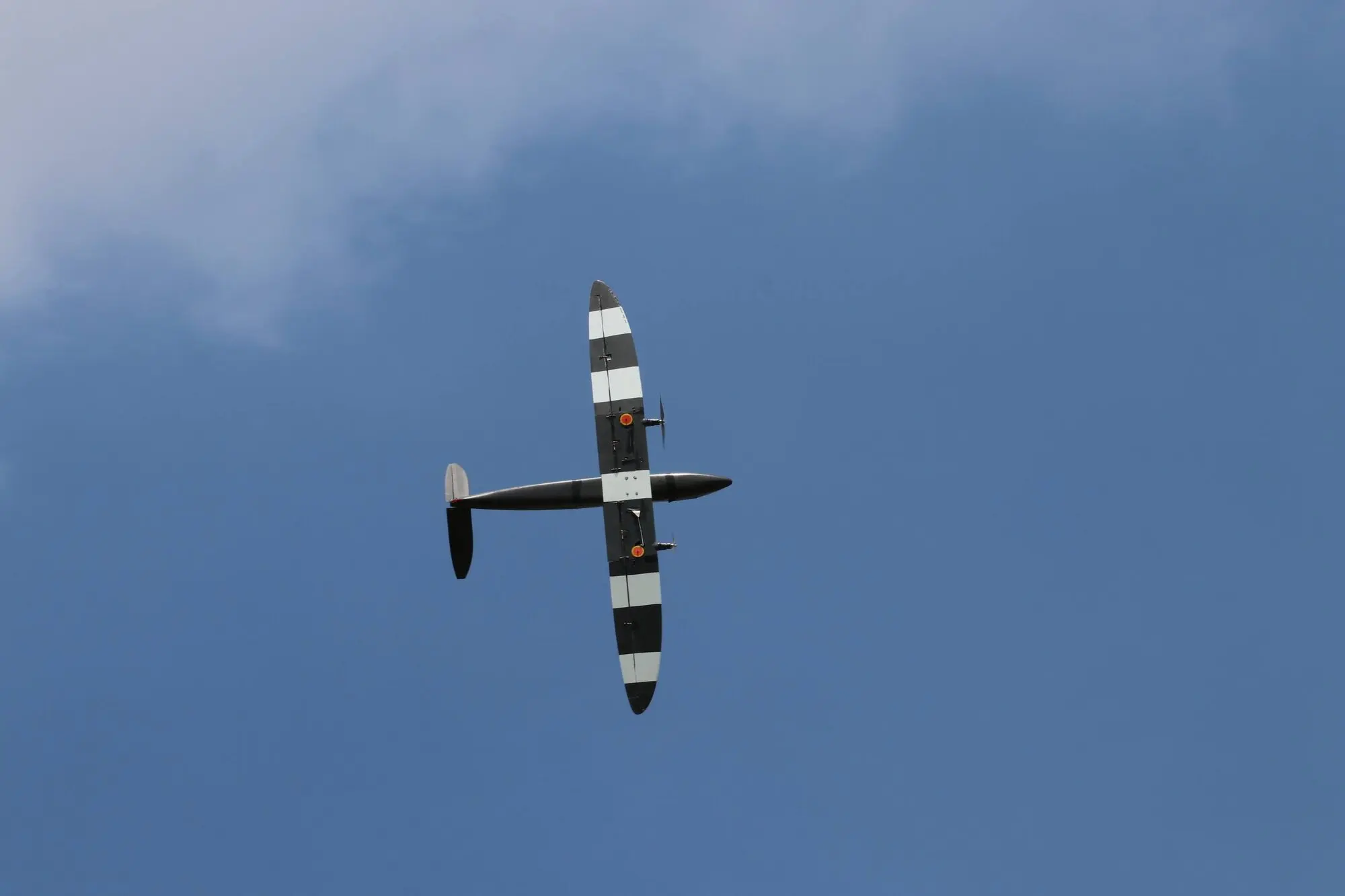
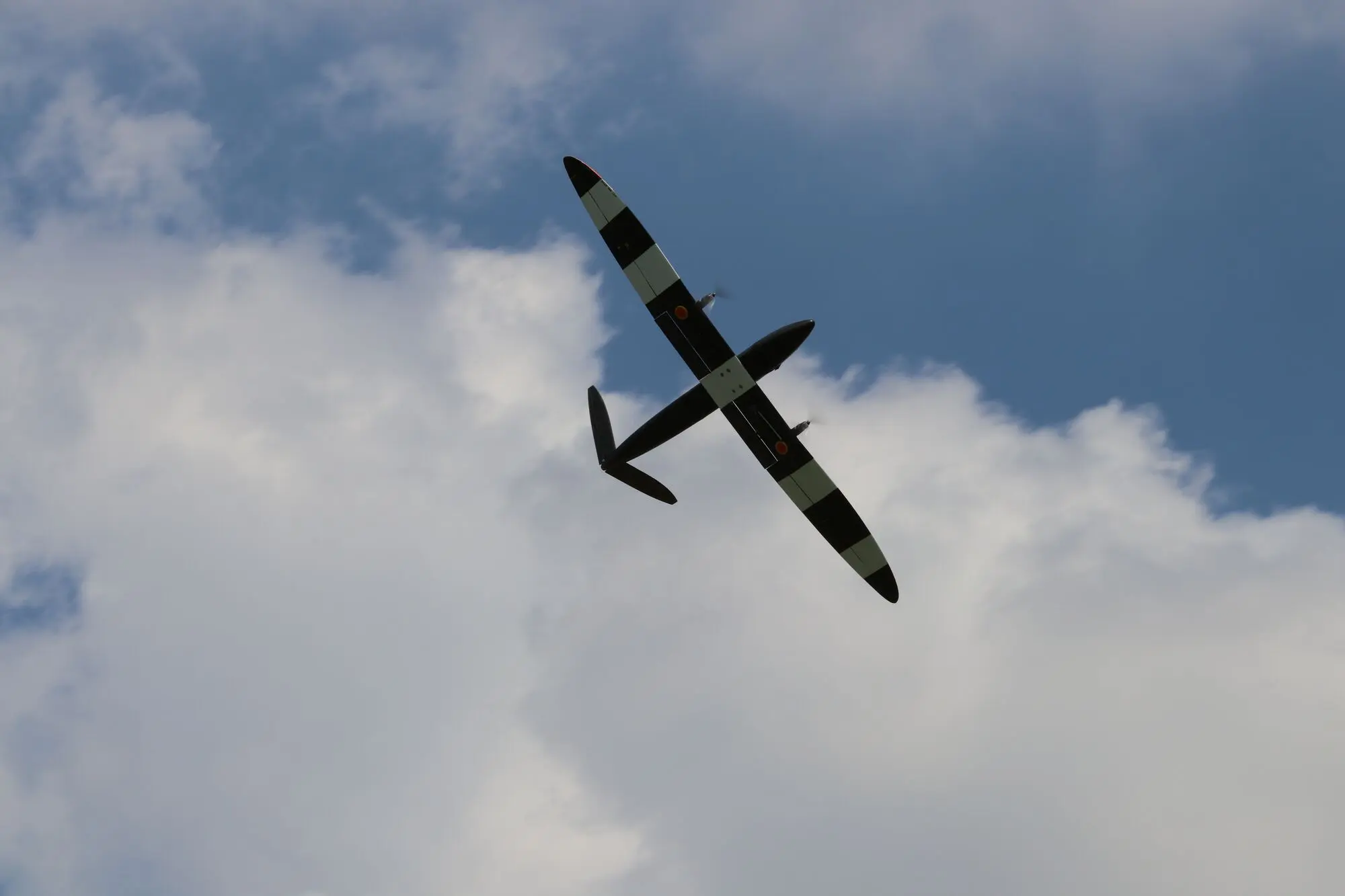
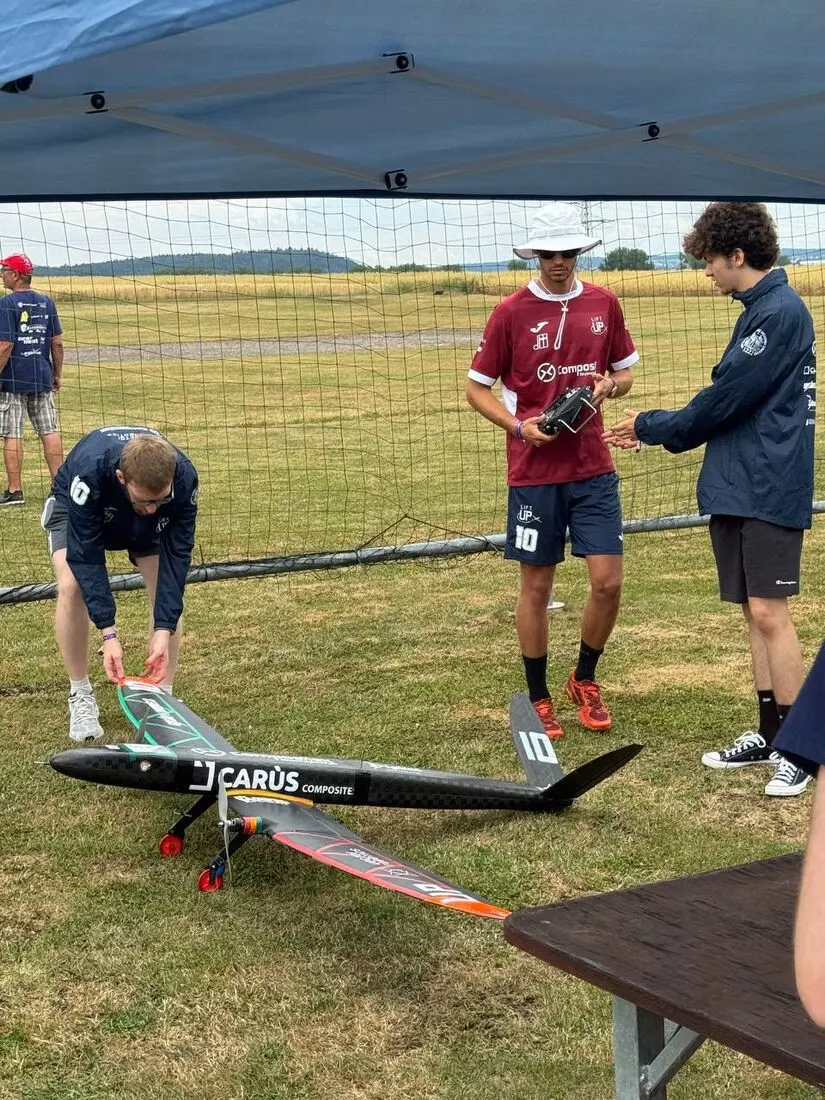
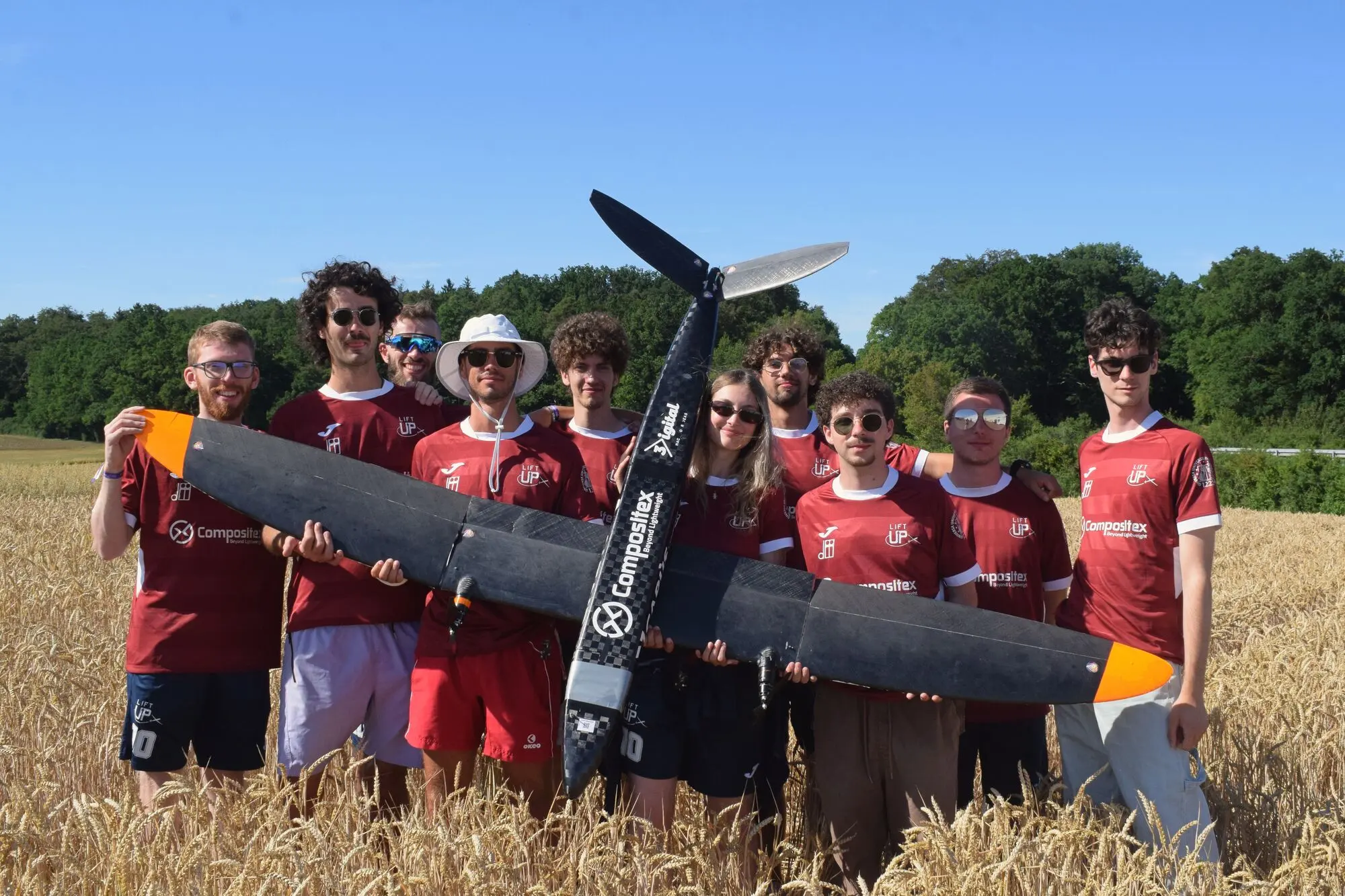
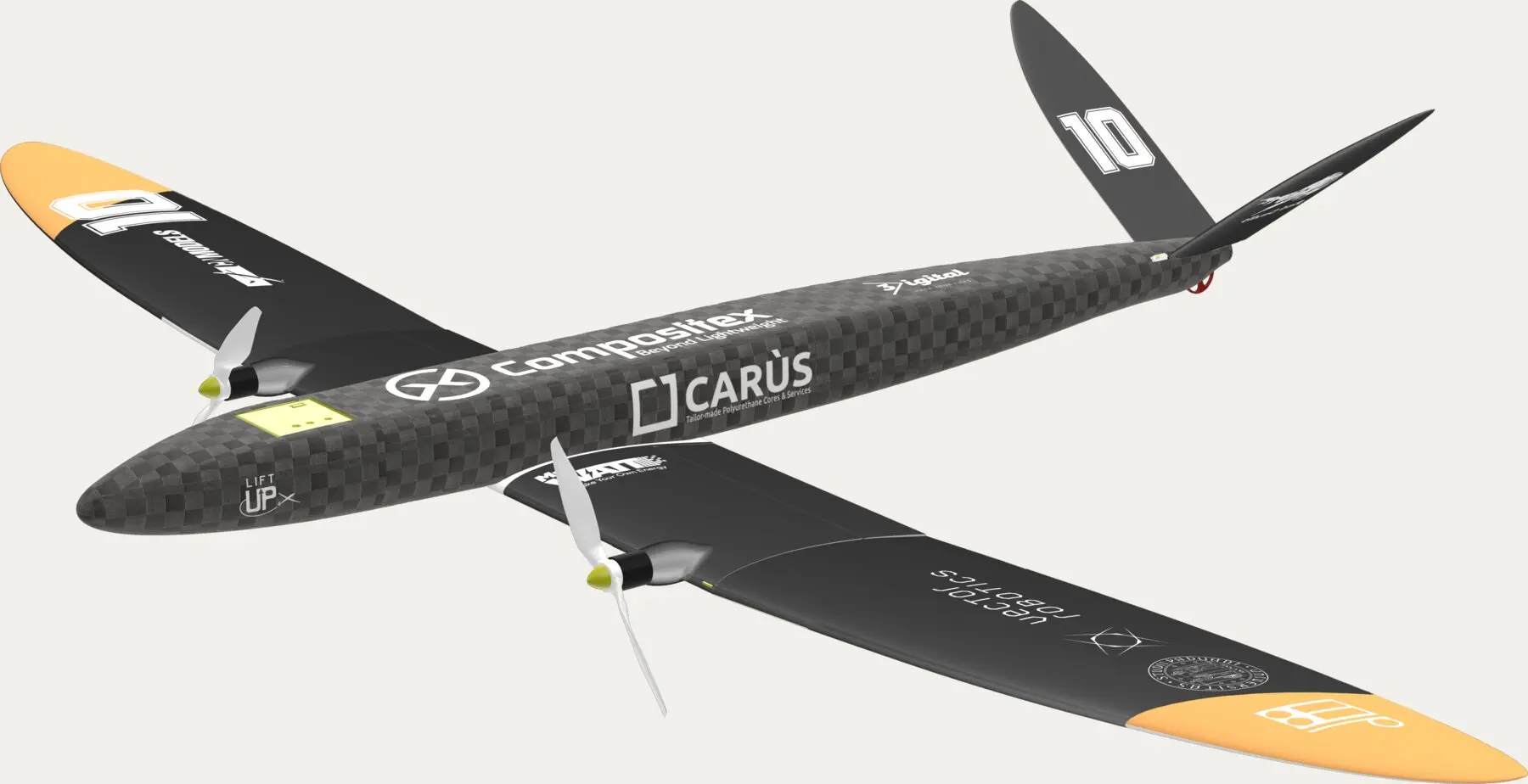
Midnight
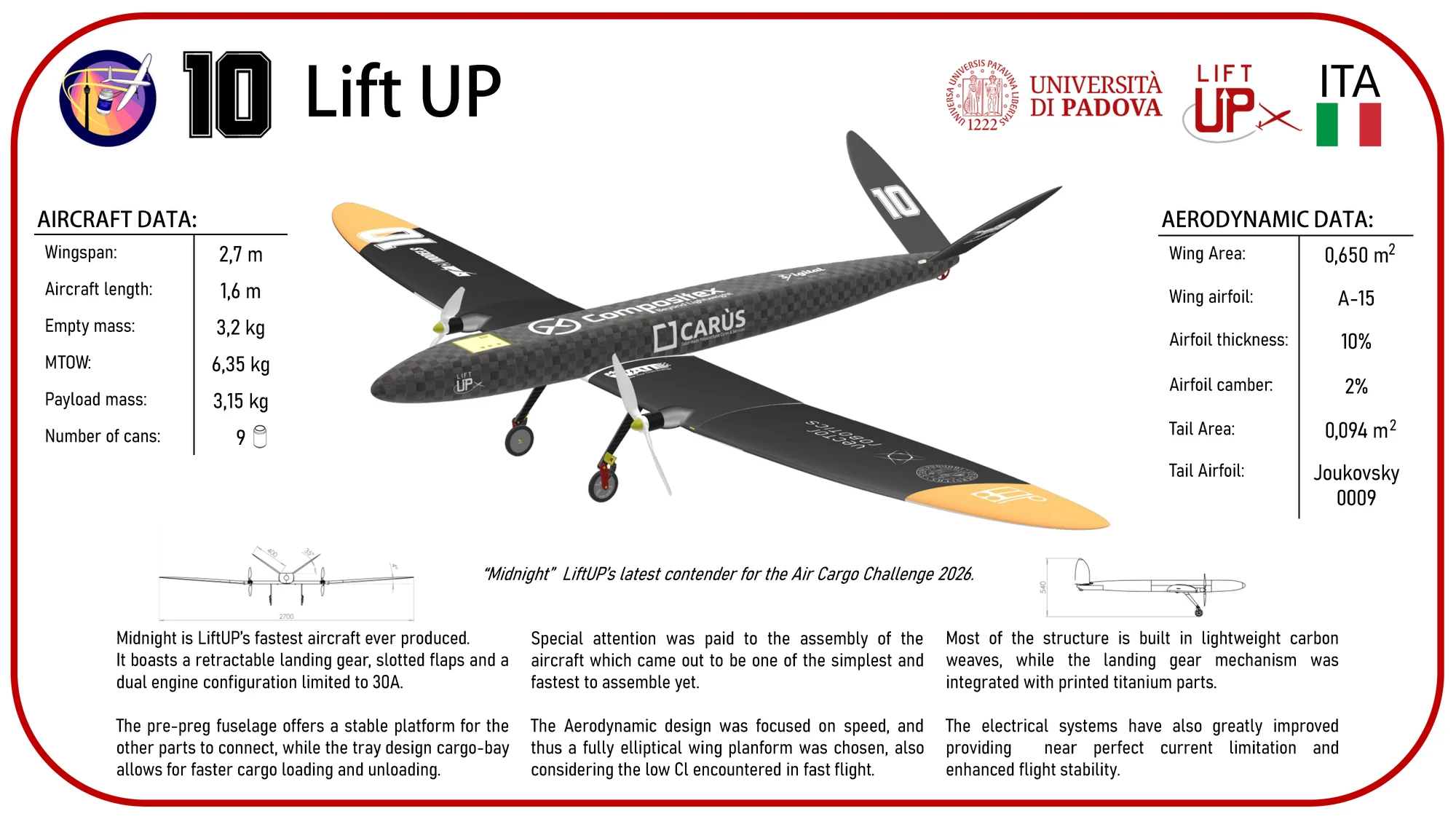
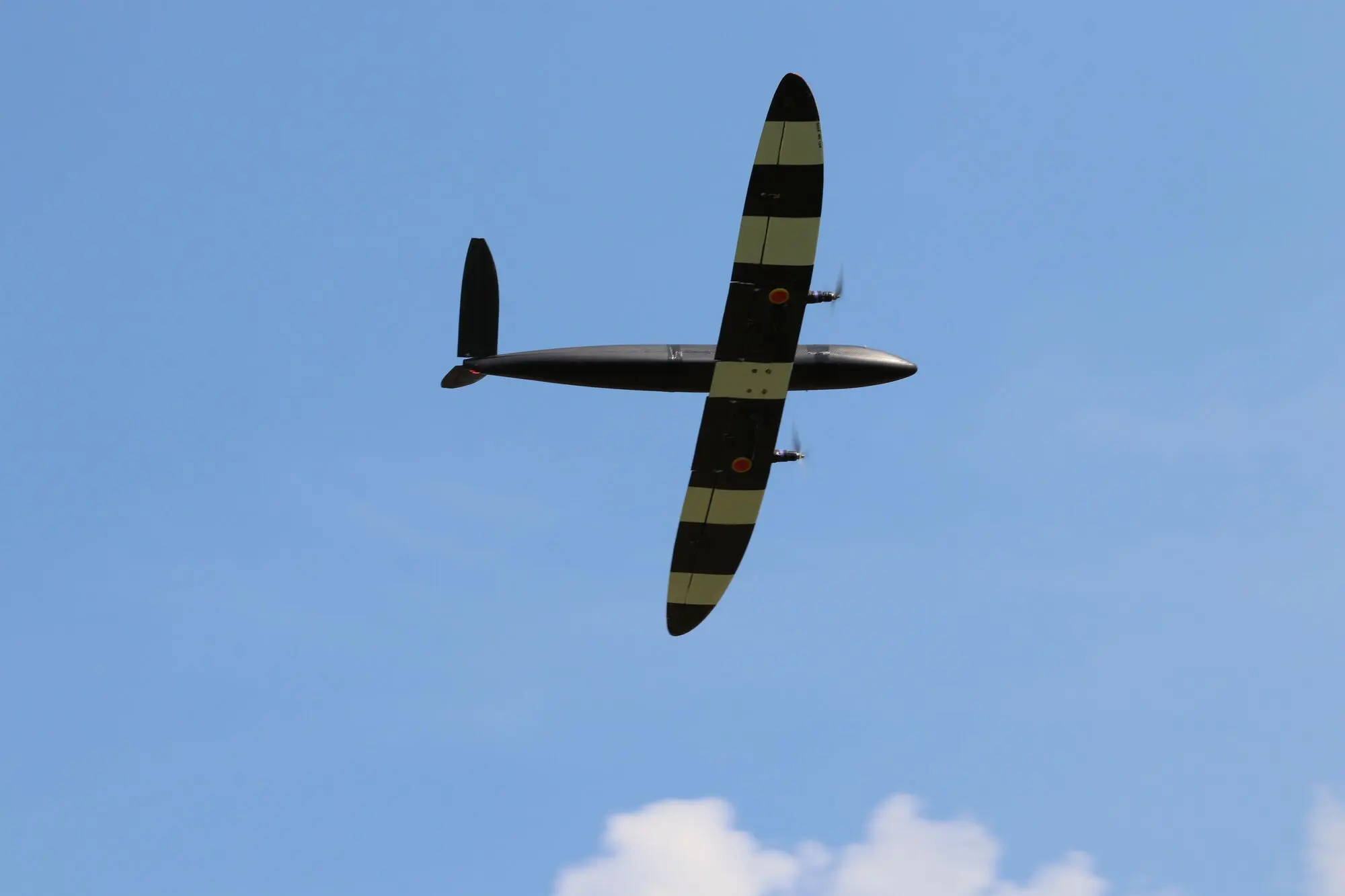
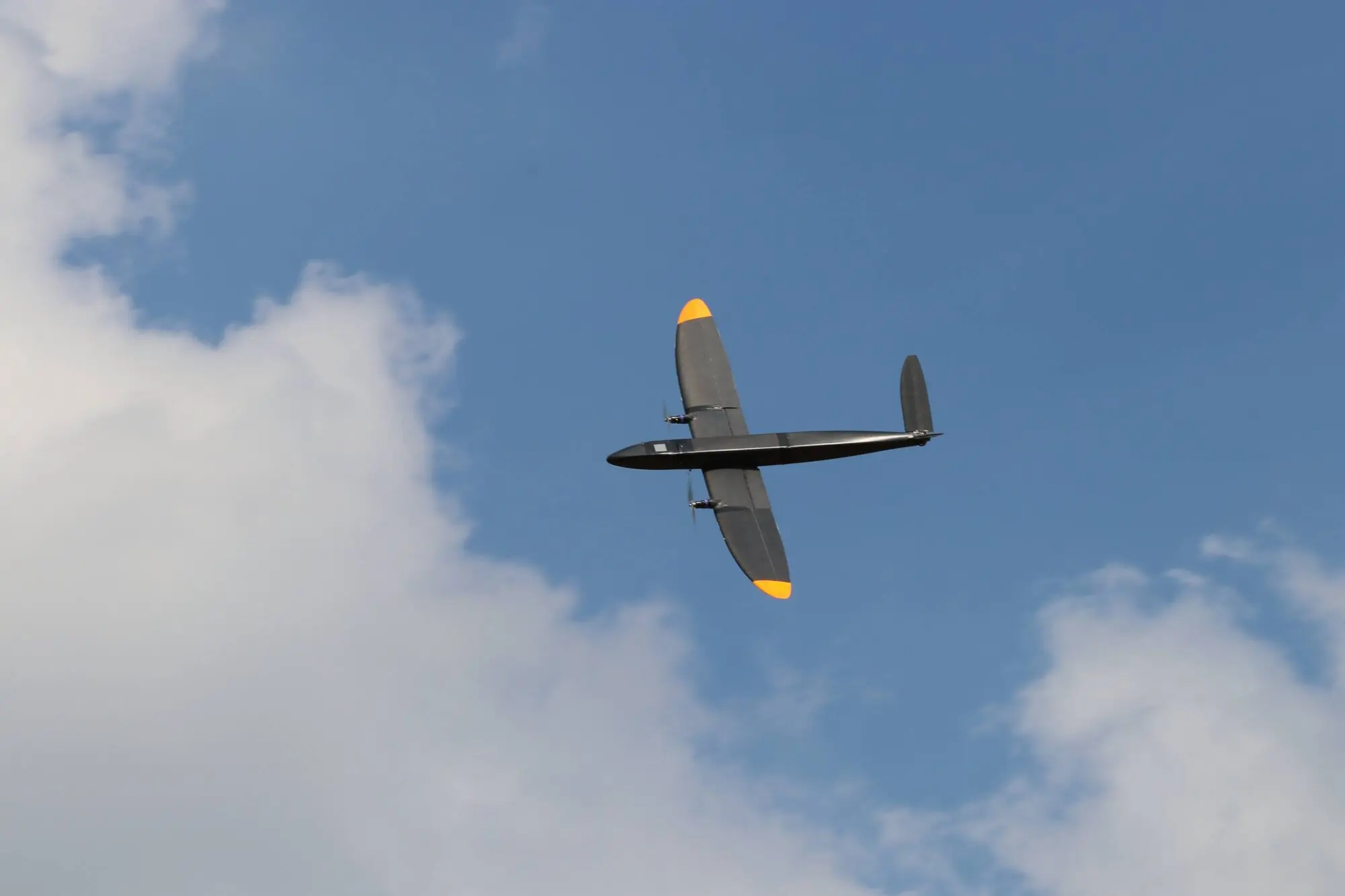
Twin-engine, V-tail, retractable gear. At ACC 2026 in Stuttgart: 5th of 34 teams.
5°
of 34 teams · ACC 2026
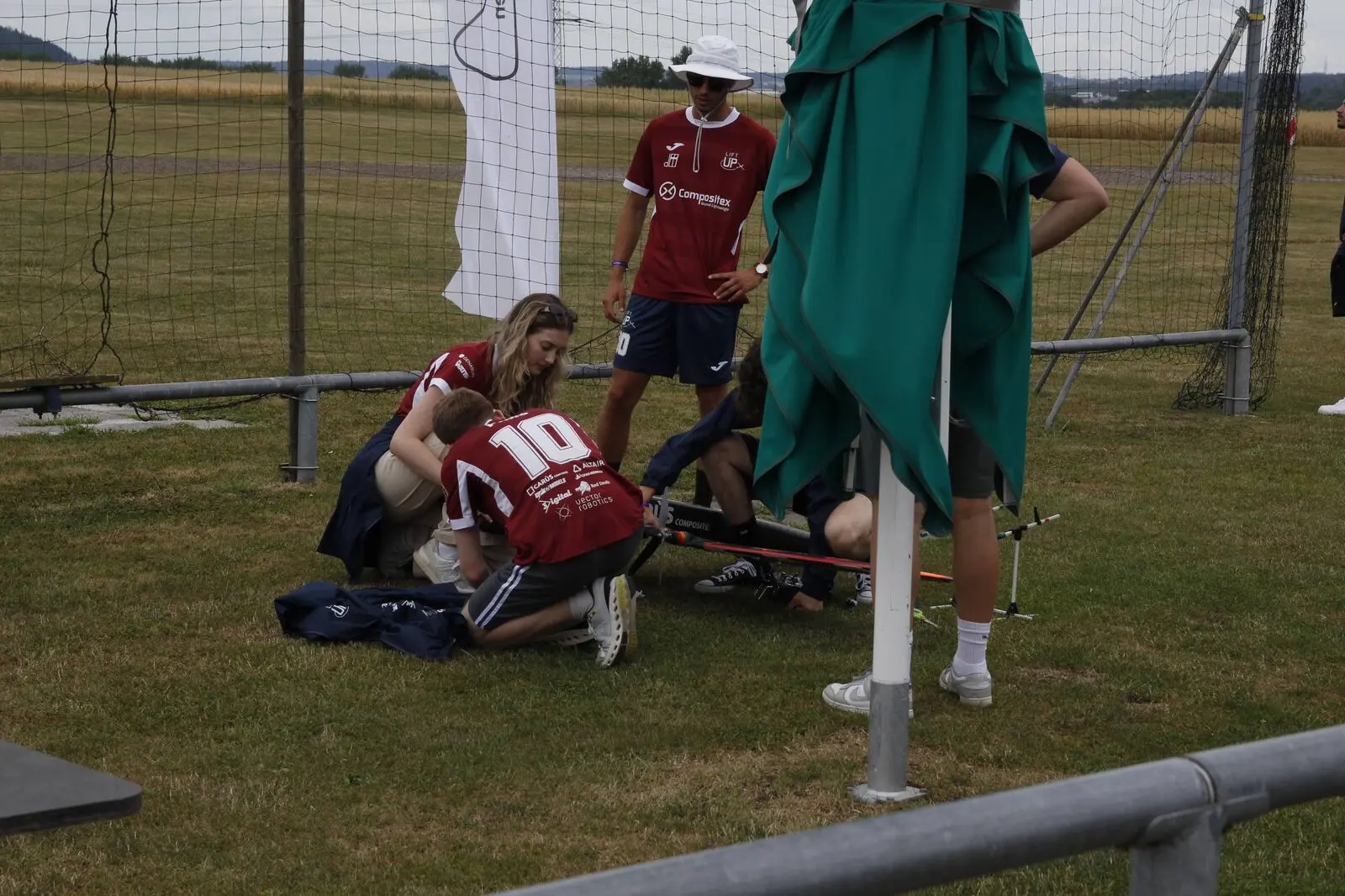
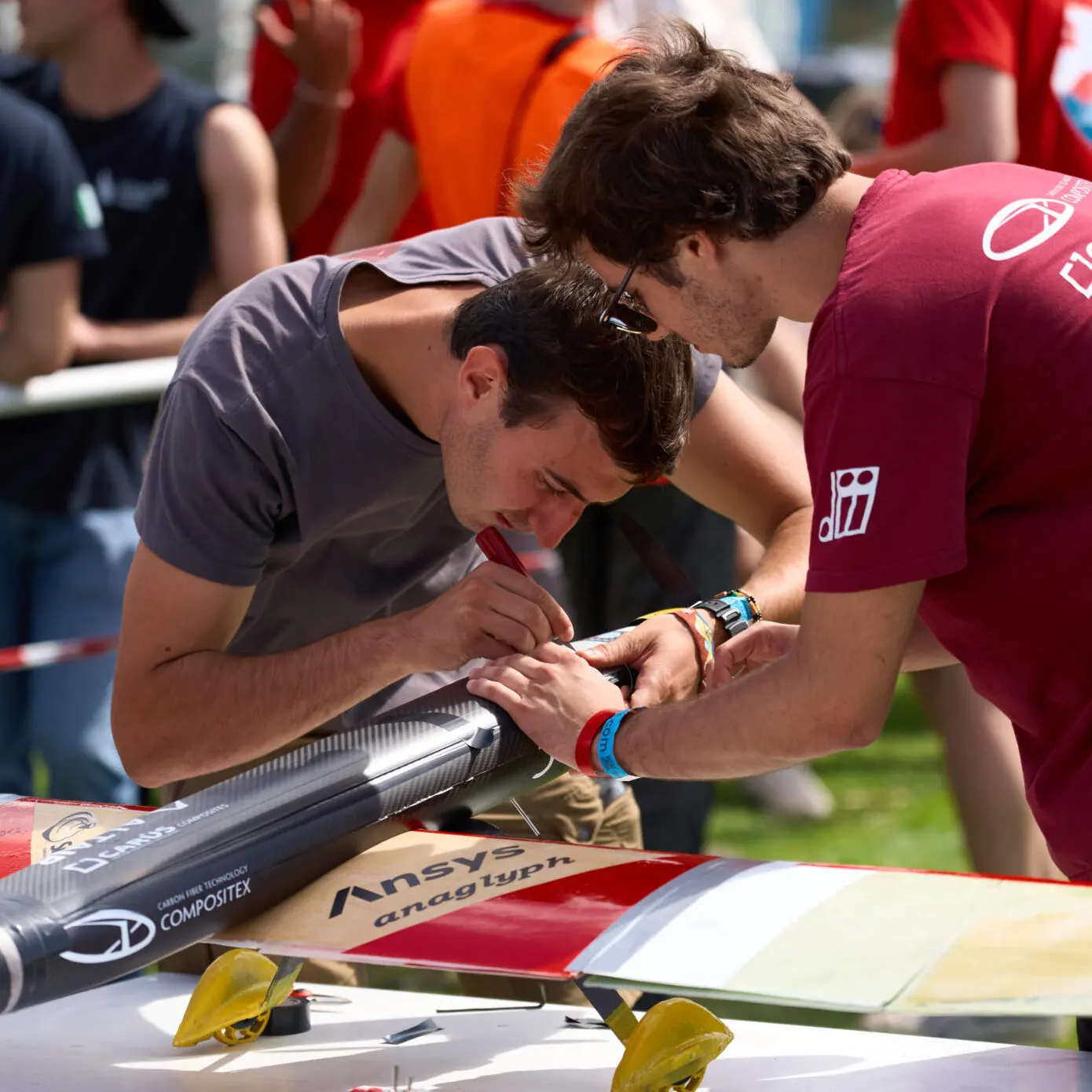
A carbon-fibre structure, a 0.65 m² low wing with an airfoil we developed ourselves, two brushless motors and an in-house retractable gear that cuts drag by 22%. It climbs to 150 m in 60 seconds; the bay holds up to 9 cans and we declared 8 in the race. Like all our aircraft since Kowalsky, its carbon parts are laminated with Compositex.
2024 · Air Cargo Challenge
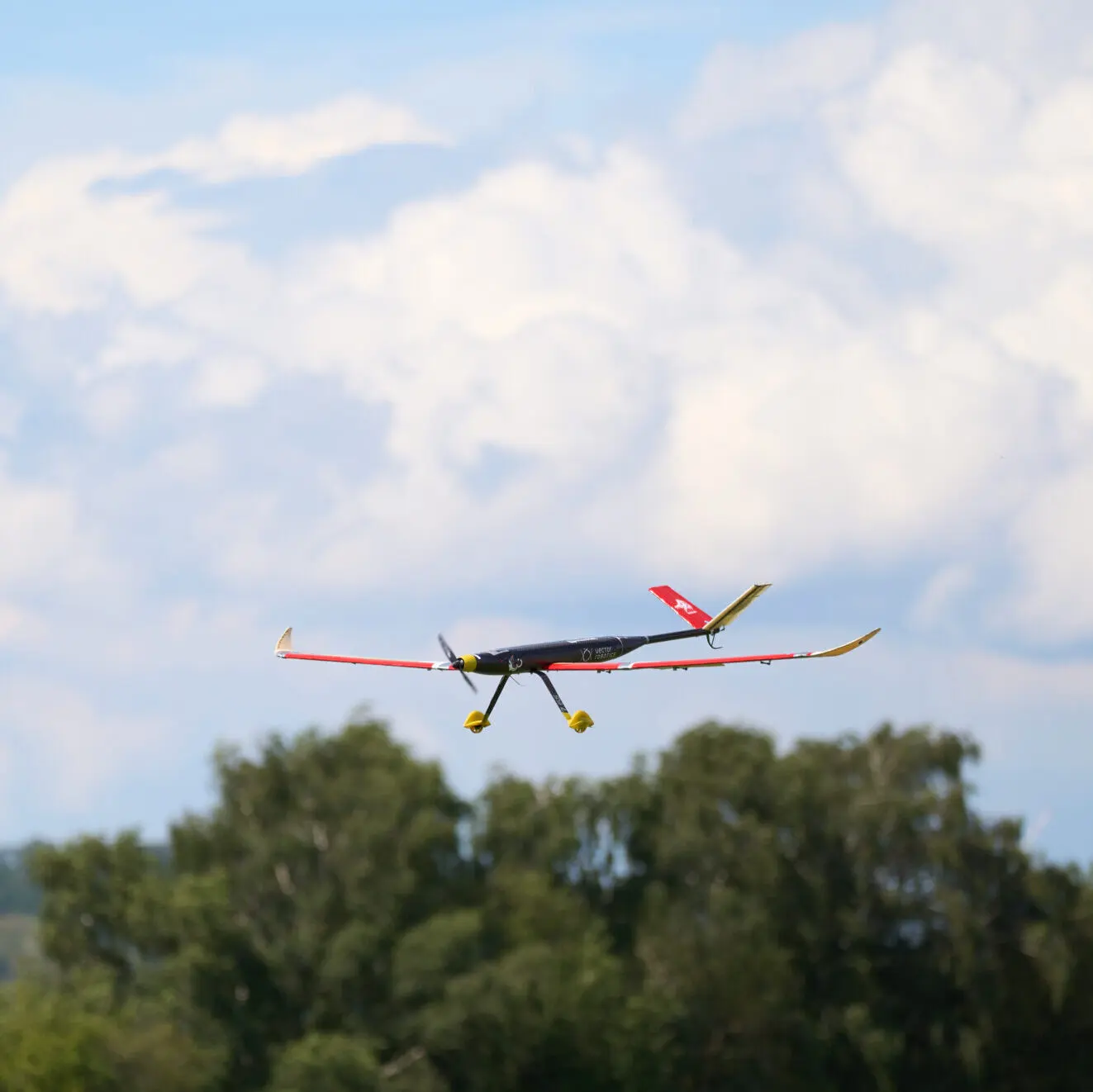
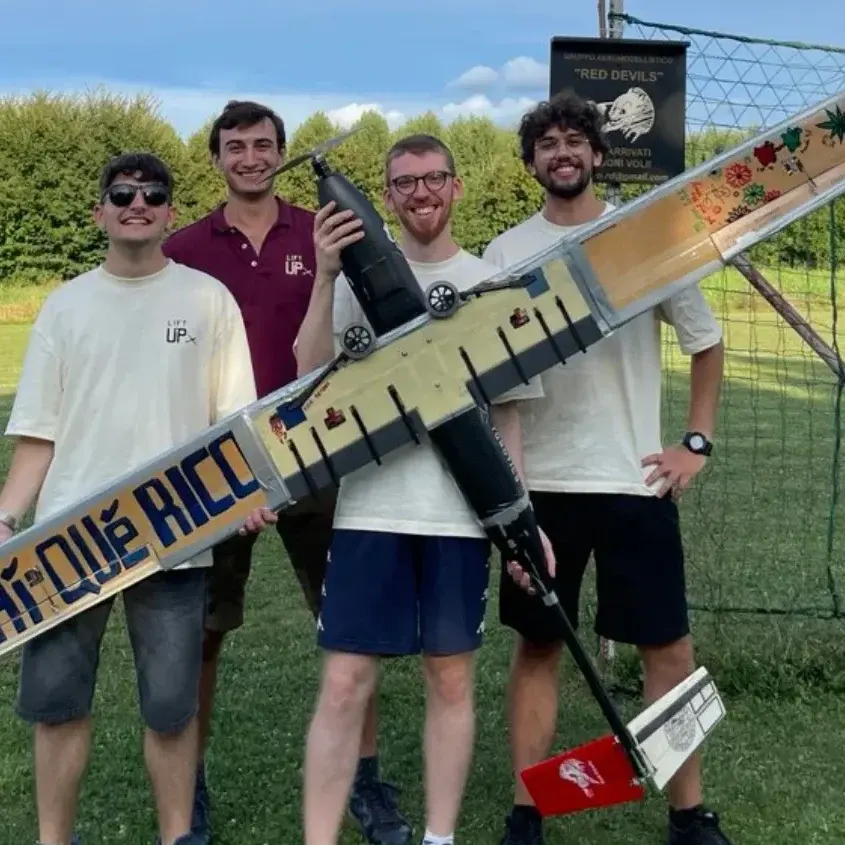
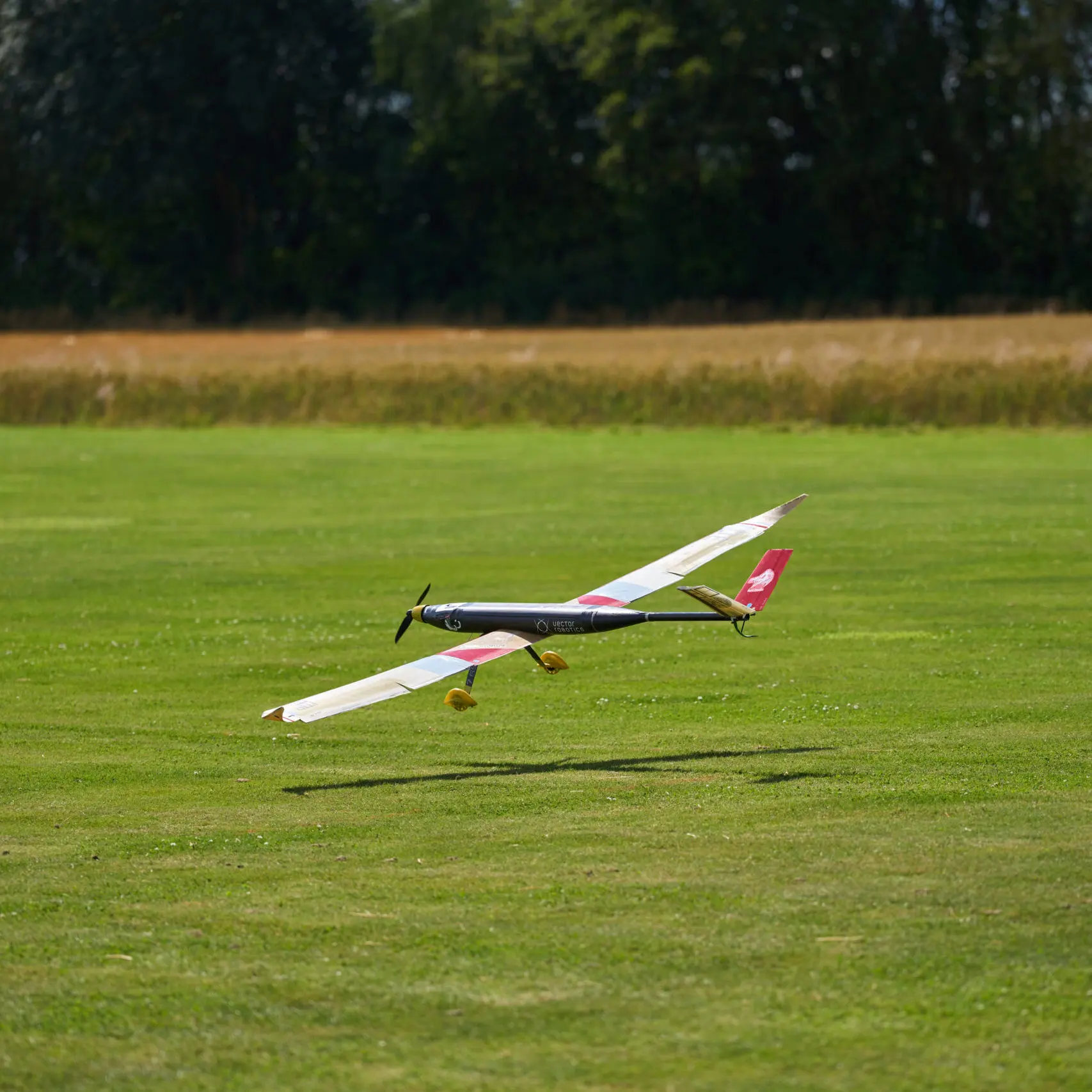
Zephira
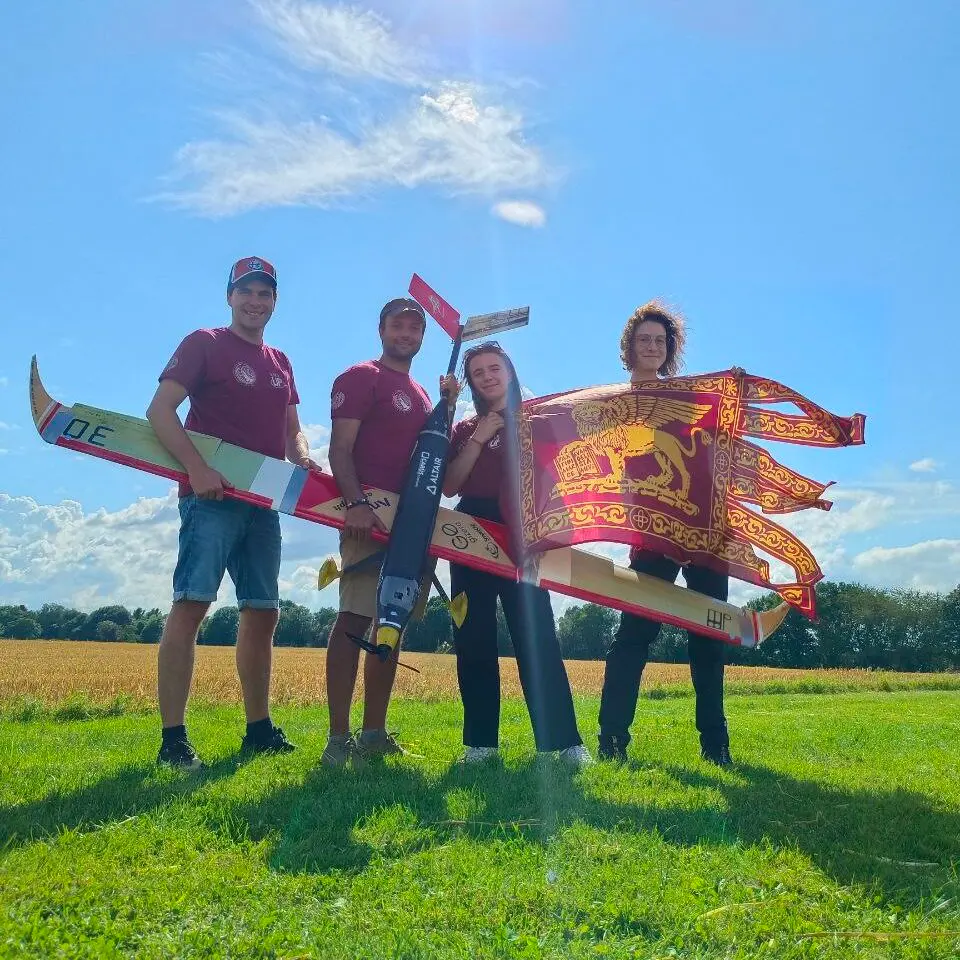
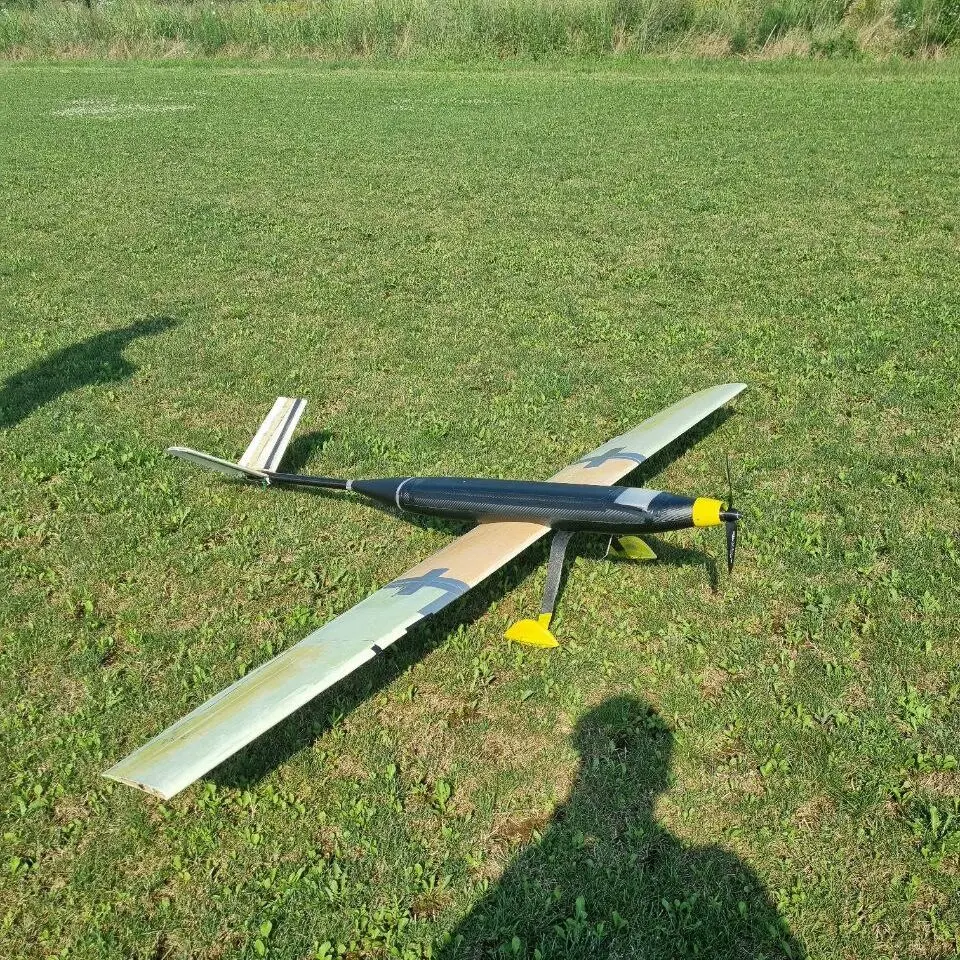
V-tail and airless-wheel landing gear. At ACC 2024 it flew in rain and strong wind.
10°
of 30 teams · ACC 2024
Compared with Kowalsky the layout changes: a low wing, a regular (not inverted) V-tail, a front propeller instead of the pusher, and a glass- and carbon-fibre structure. The landing gear has airless wheels with an aerodynamic fairing. It weighs 3 kg empty and carries up to 3.06 kg; it comes fully apart for transport.
2022 · Air Cargo Challenge
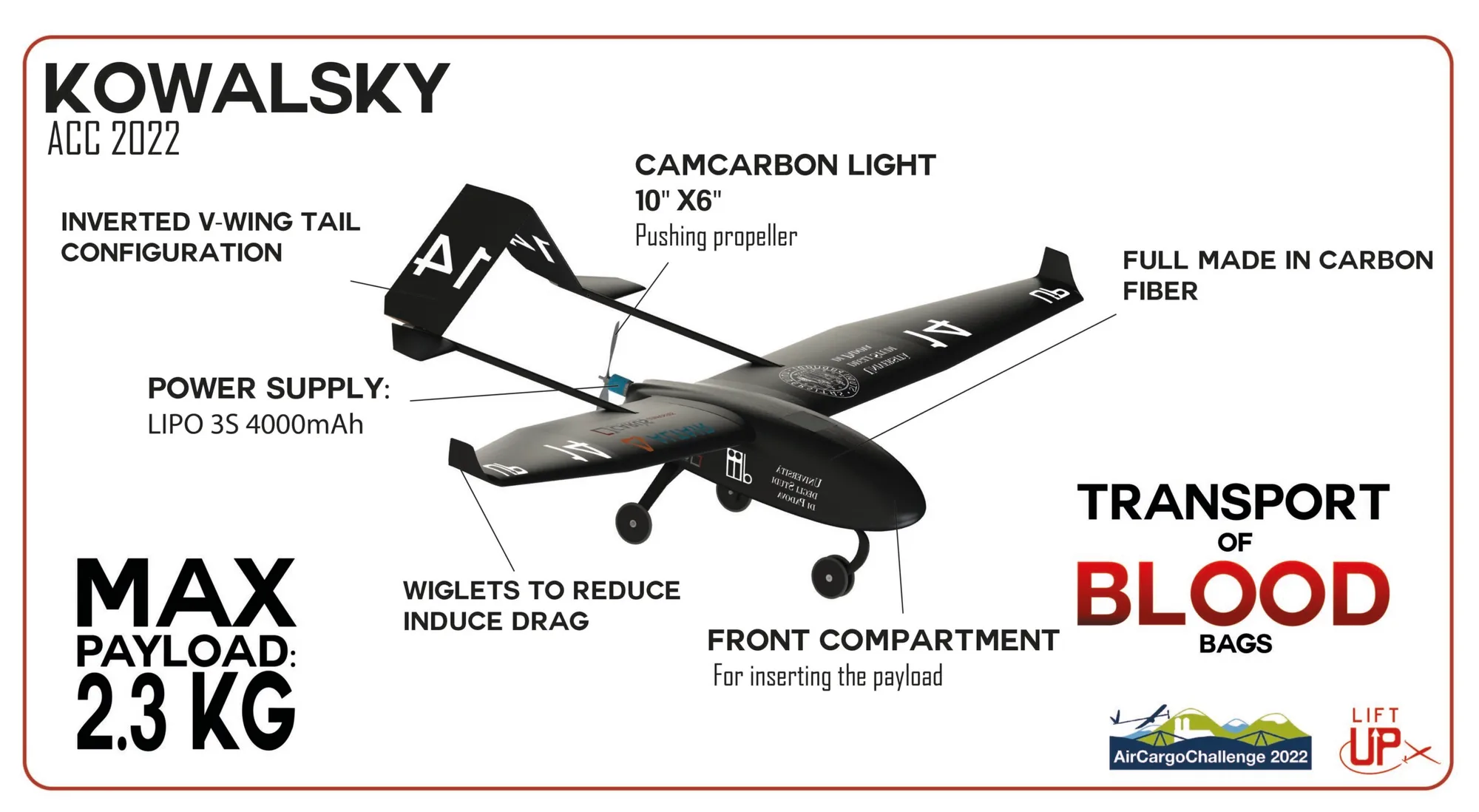
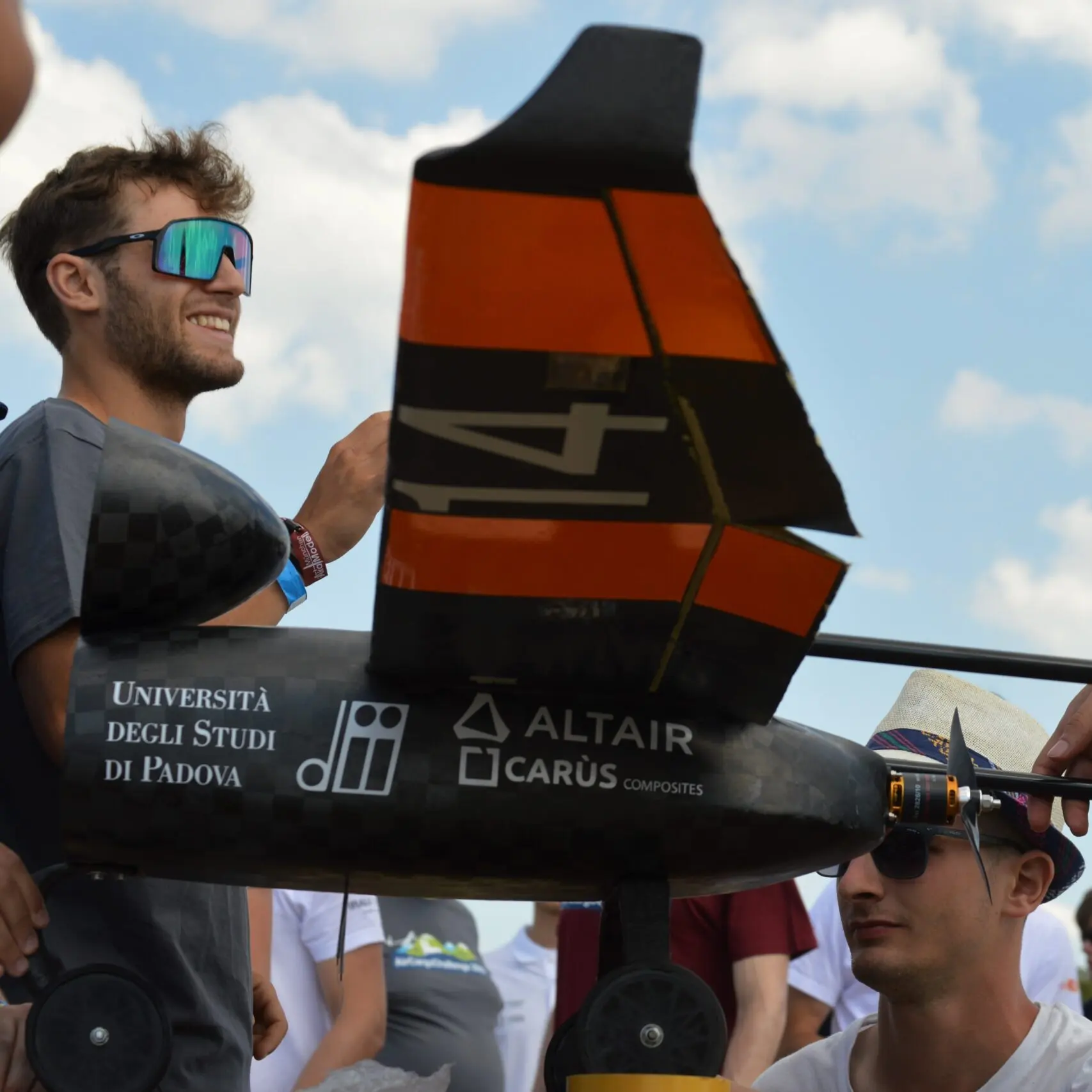
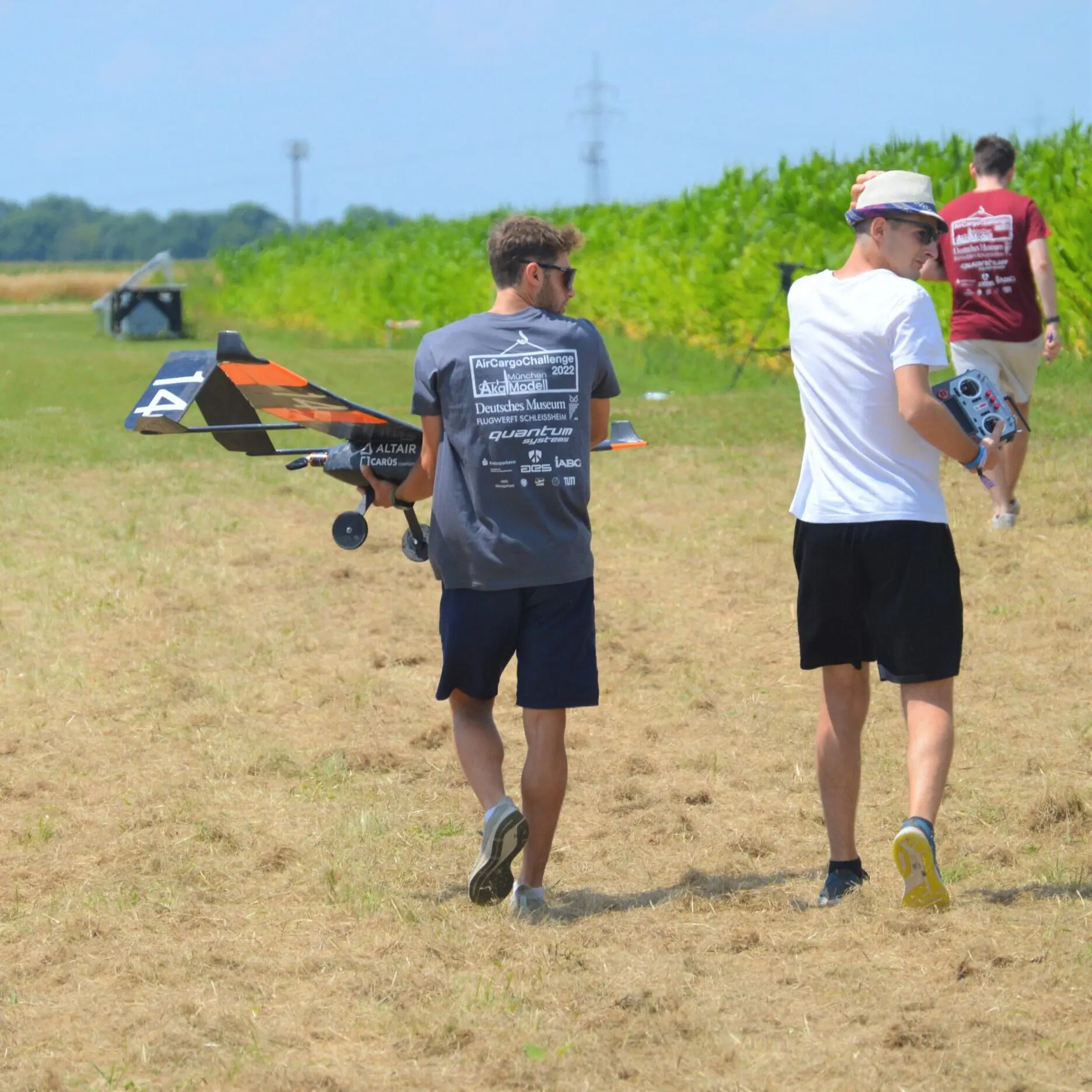
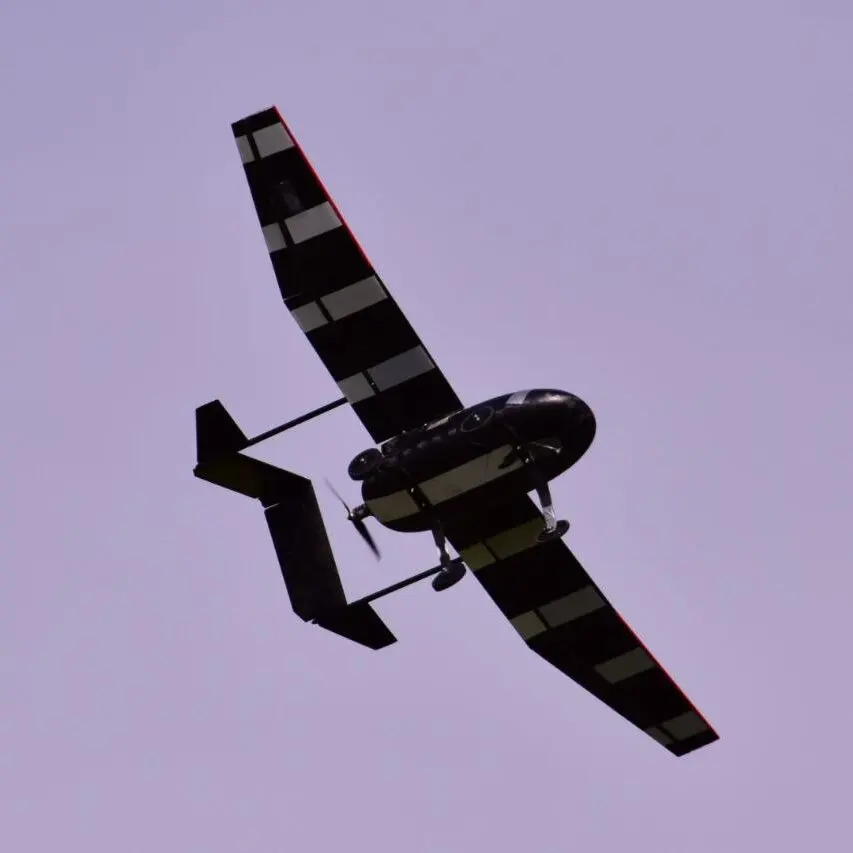
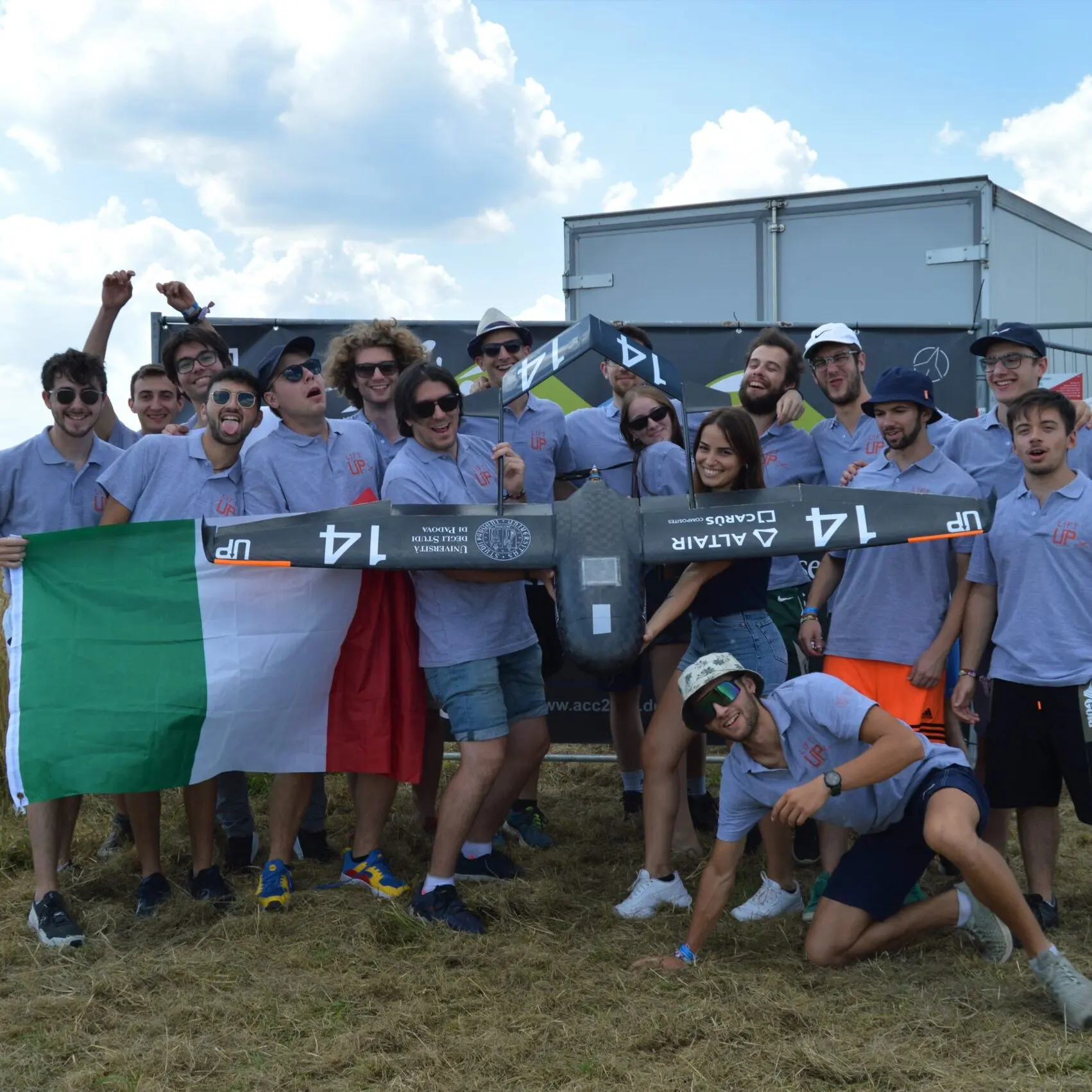
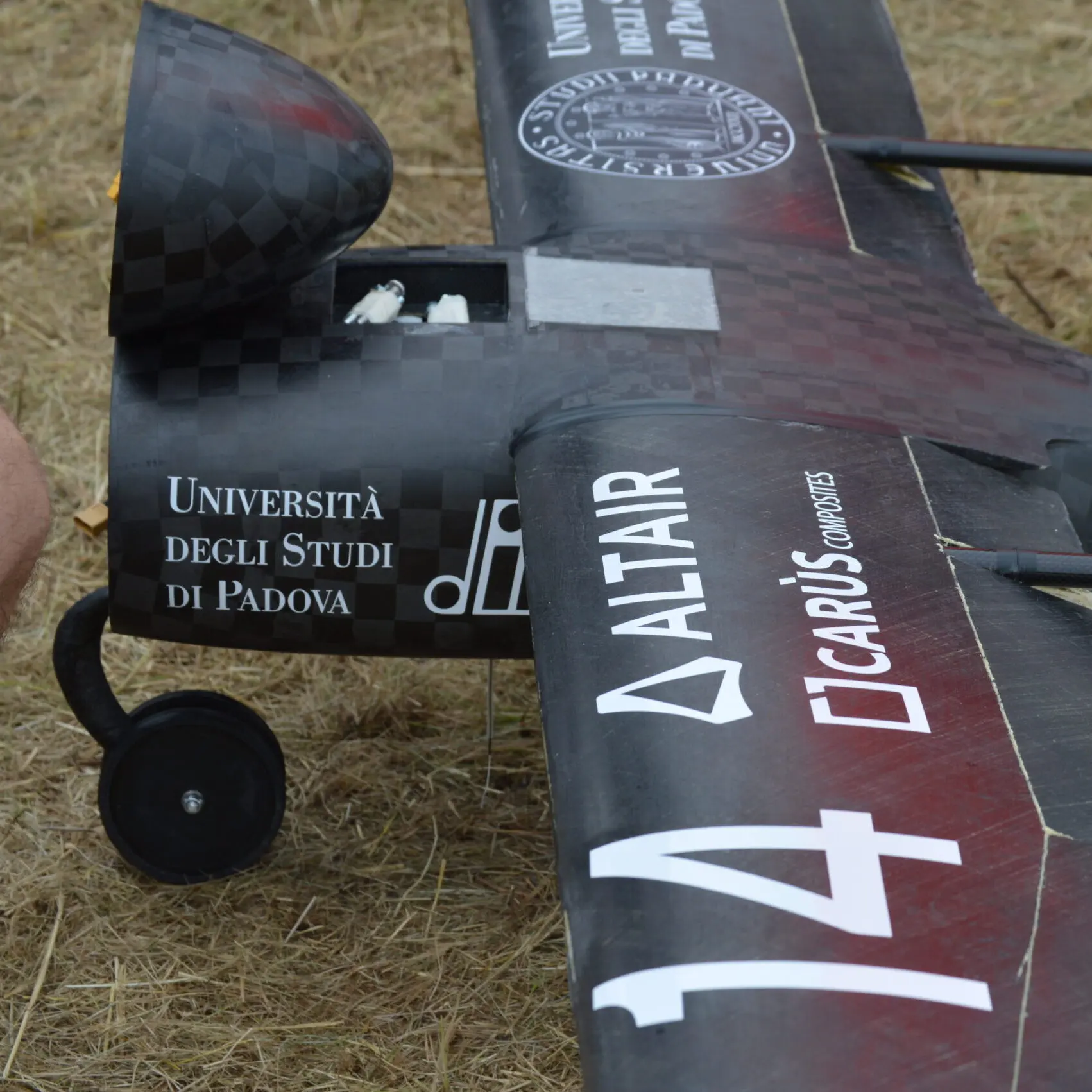
Kowalsky
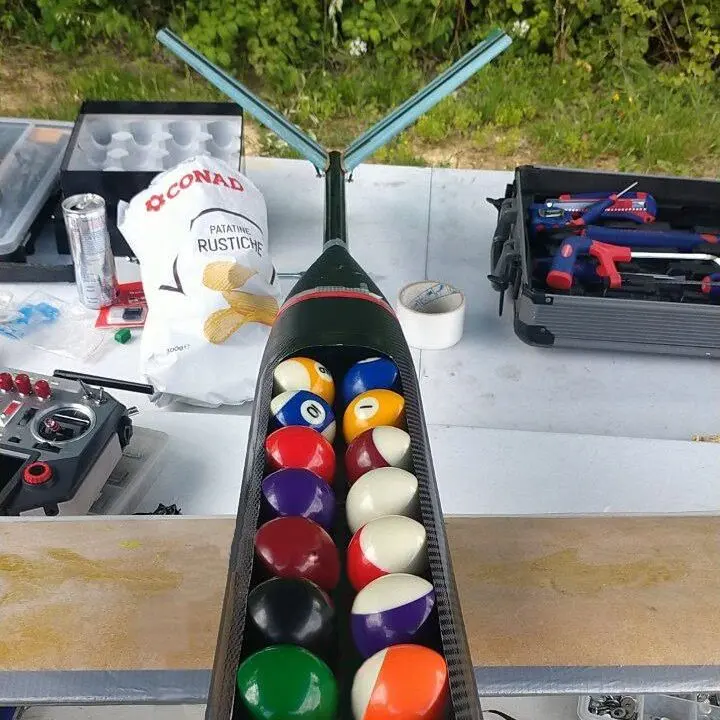
Pusher prop and inverted V-tail. At ACC 2022 it carried simulated blood bags.
6°
of 30 teams · ACC 2022
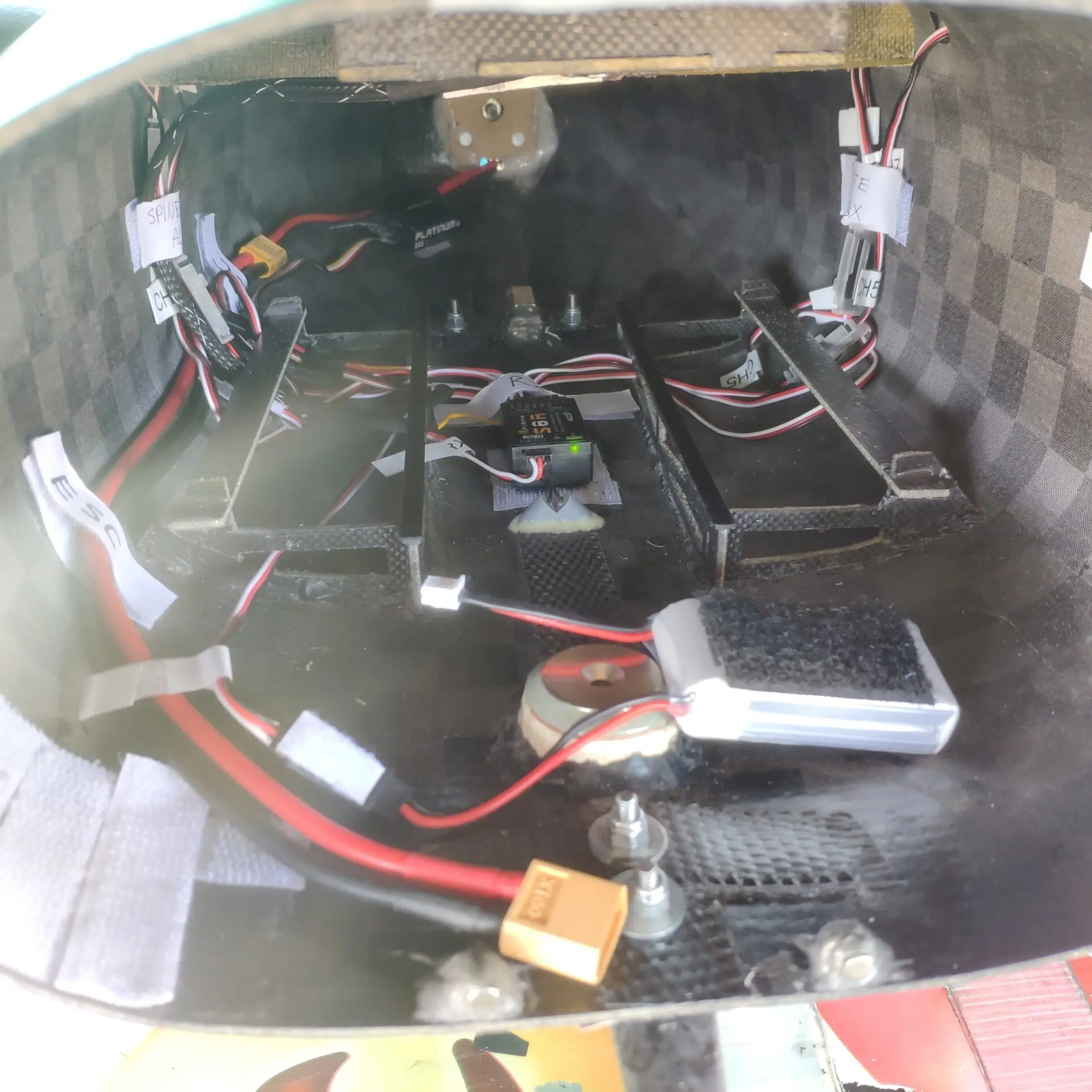
An inverted V-tail and rear pusher propeller set it apart from other designs. Built entirely in carbon fibre, it has winglets to reduce induced drag and a large front cargo bay. It runs on a 3S 4000 mAh LiPo battery and carries up to 2.3 kg.
2019 · Air Cargo Challenge
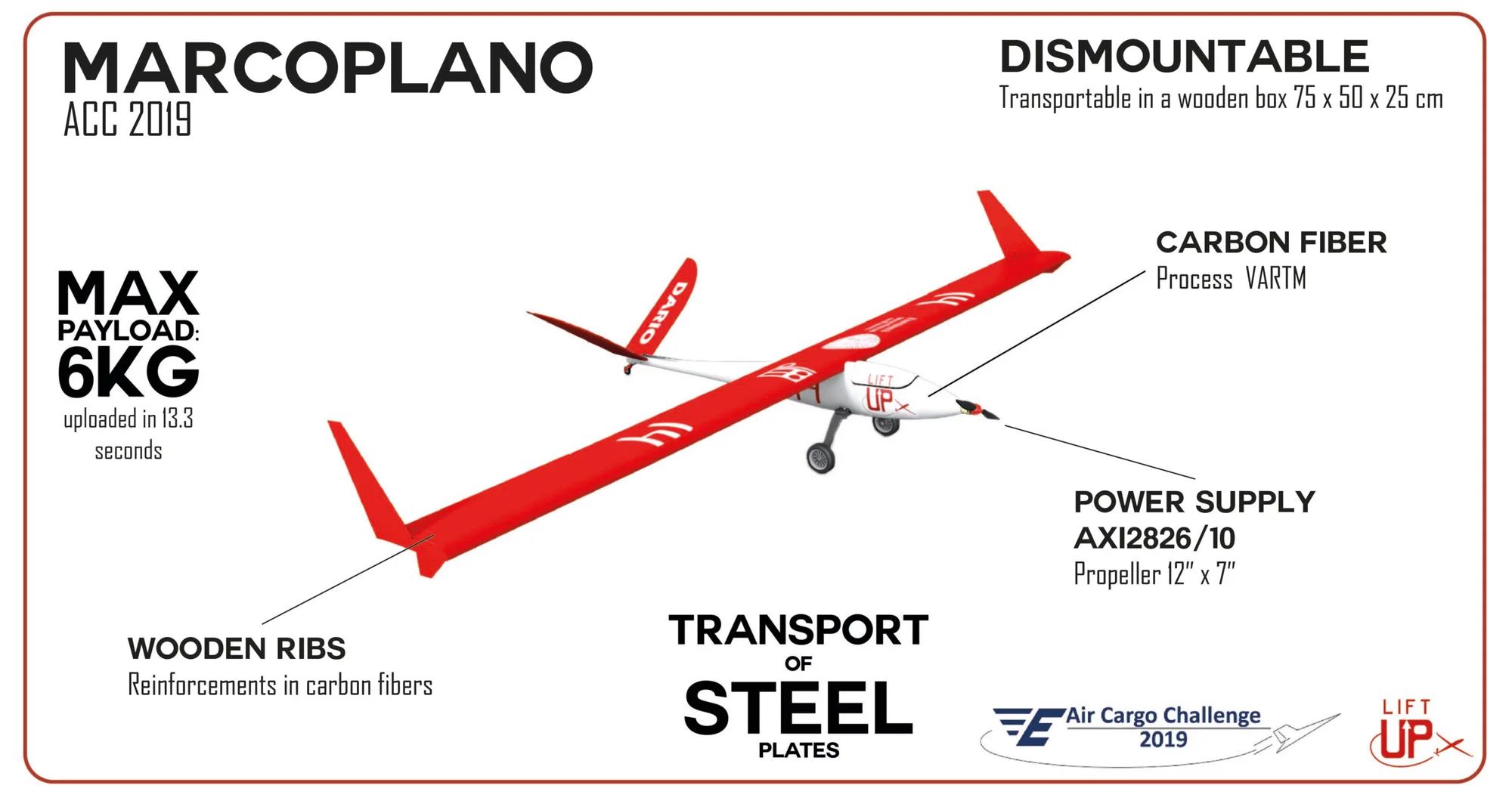
Marcoplano
Our first race drone.
8°
of about 30 teams · ACC 2019
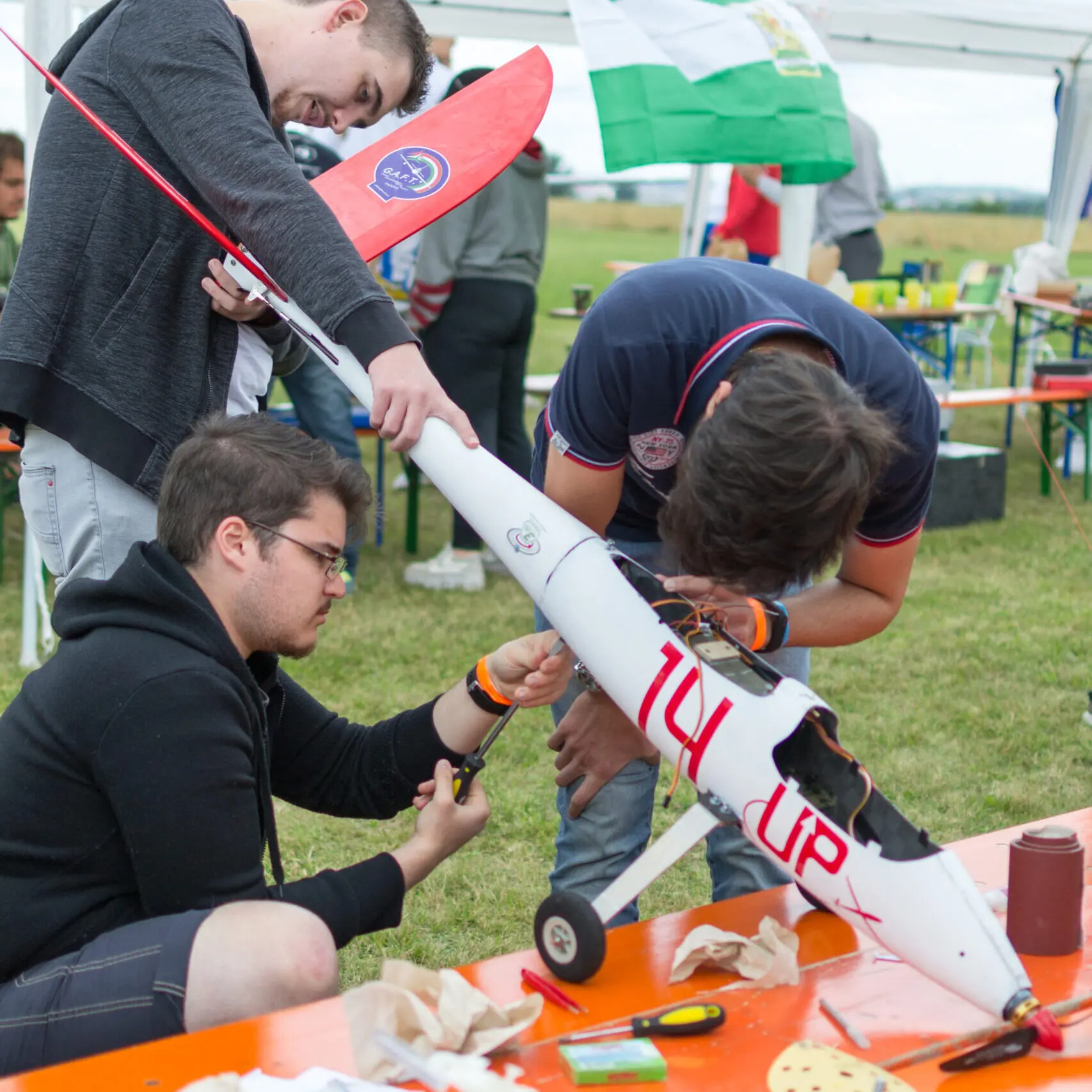
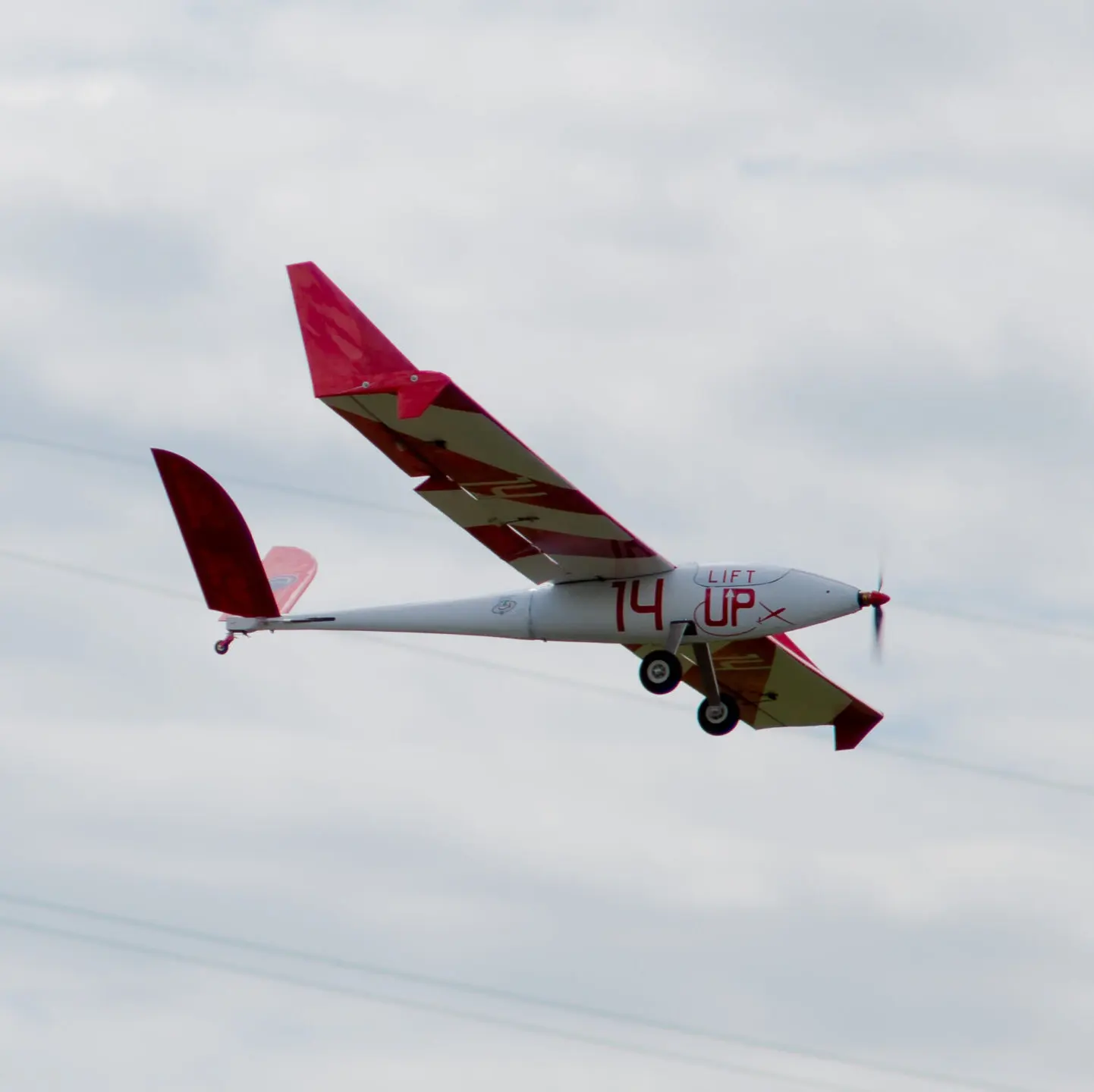
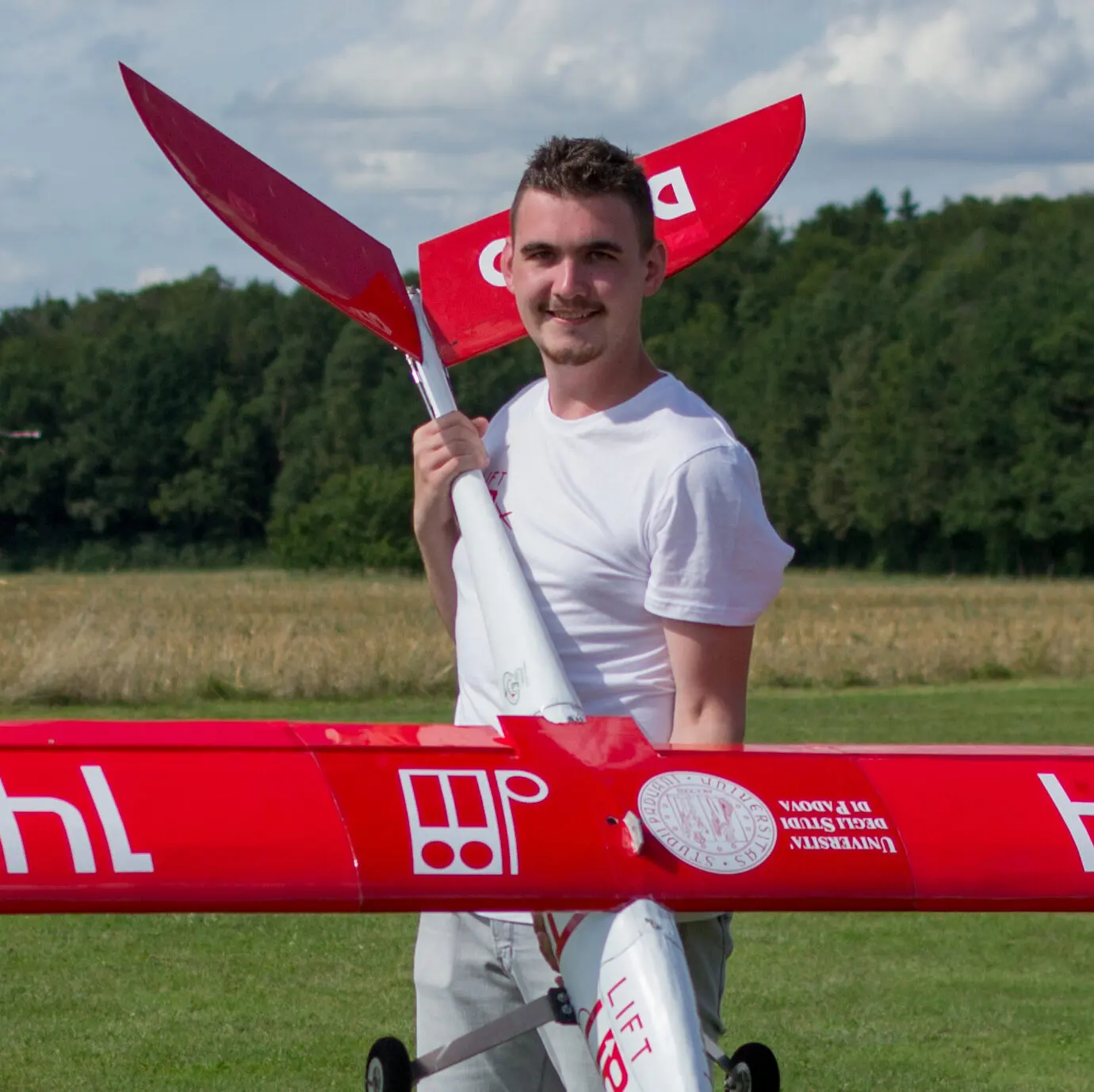
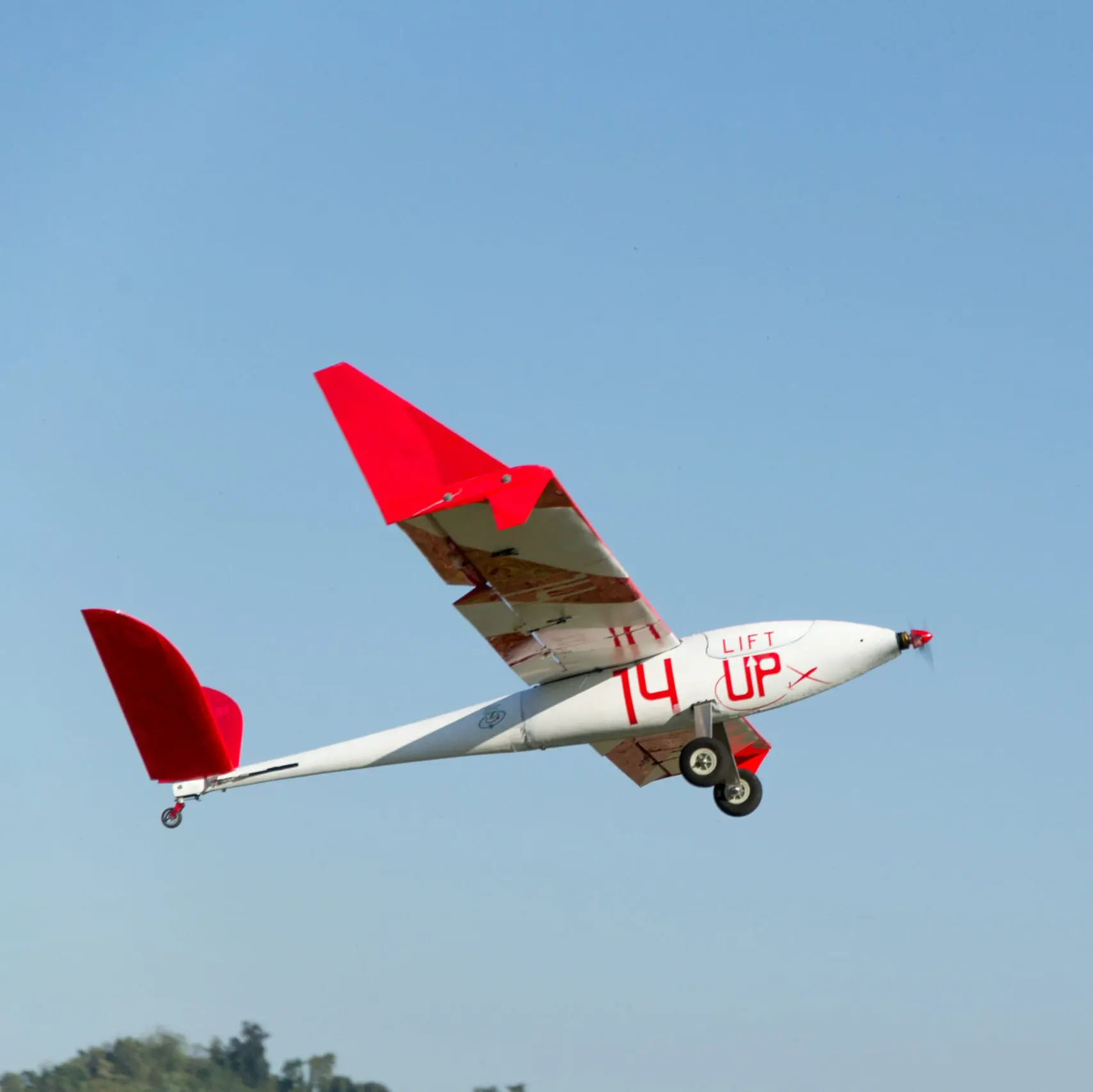
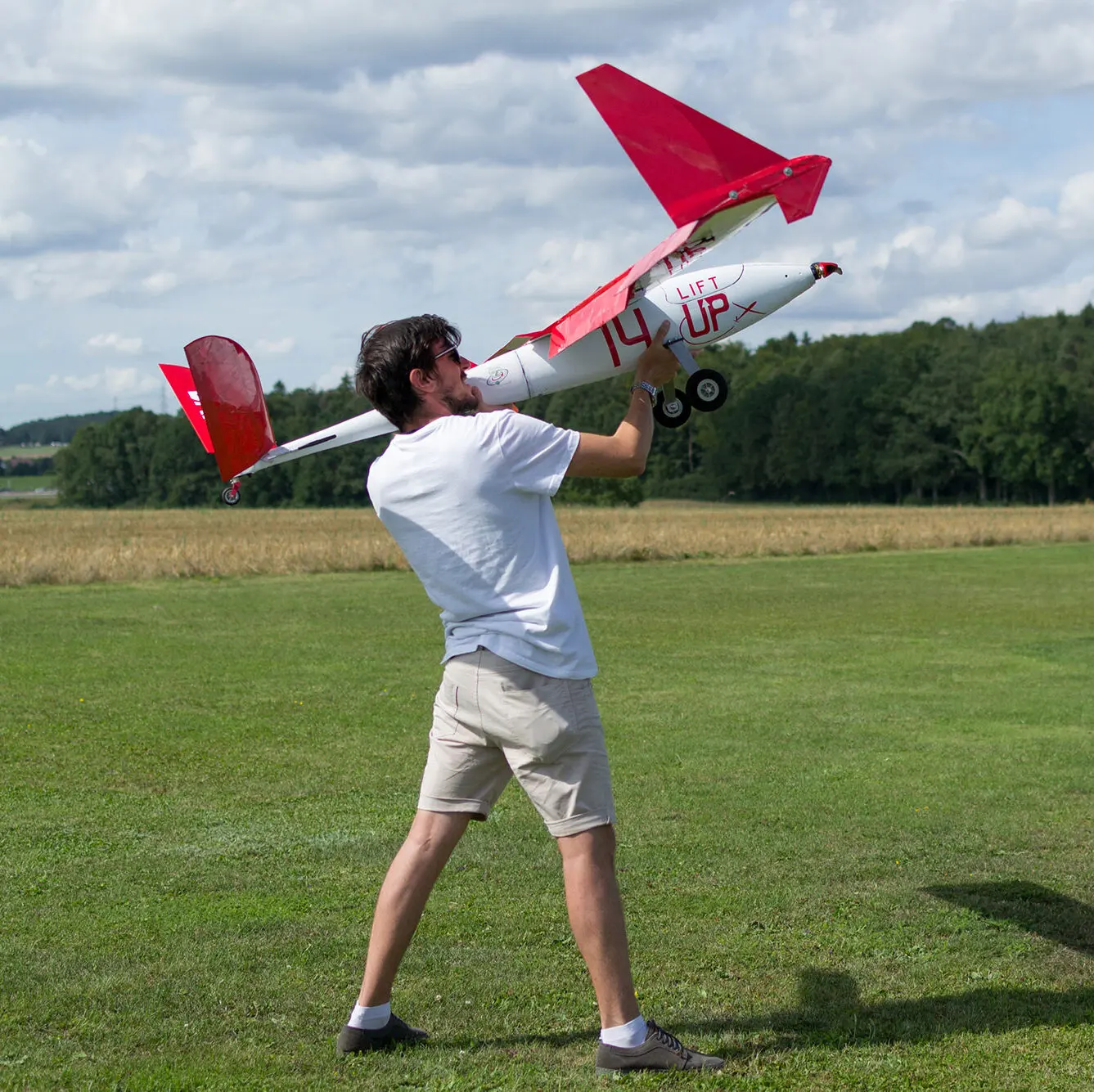
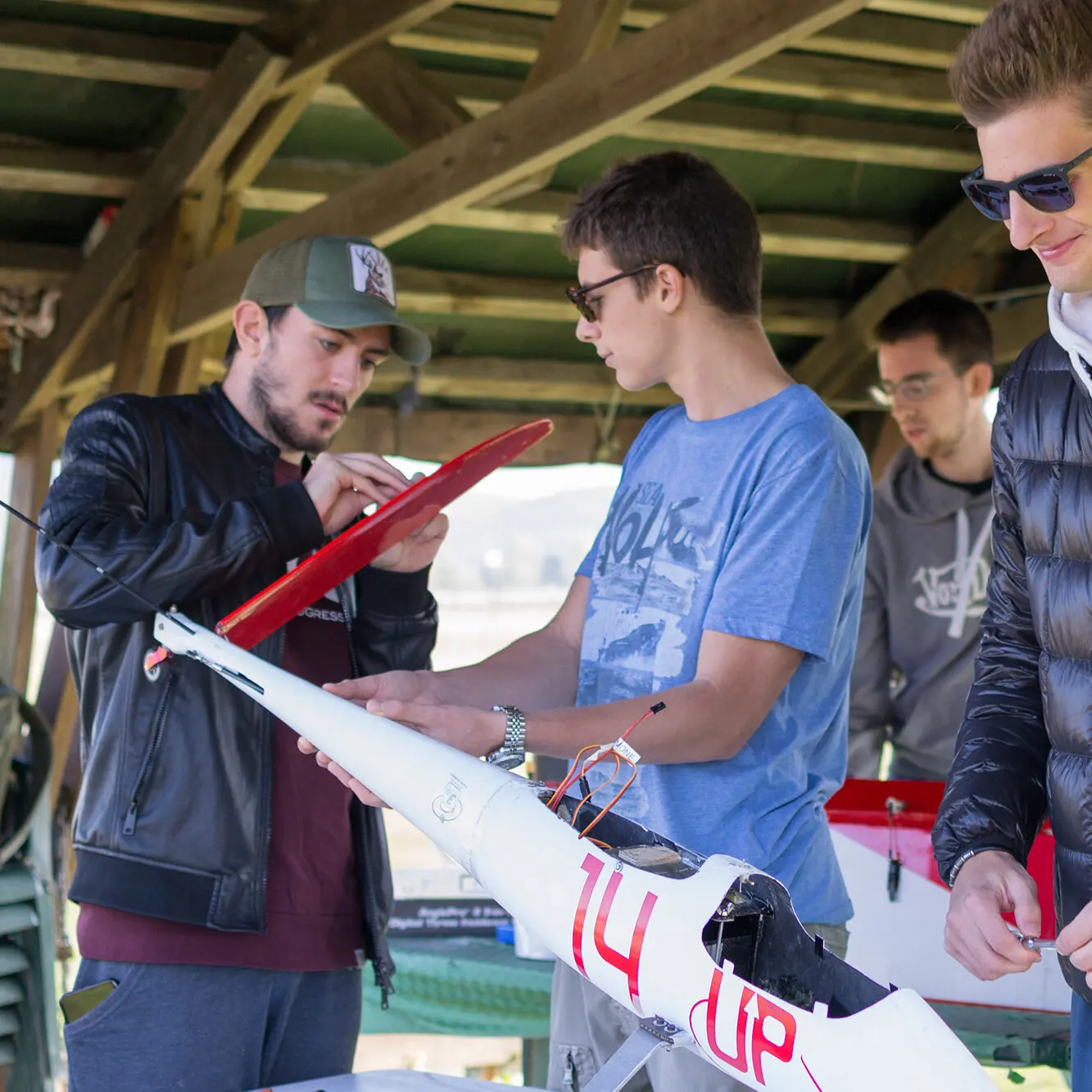
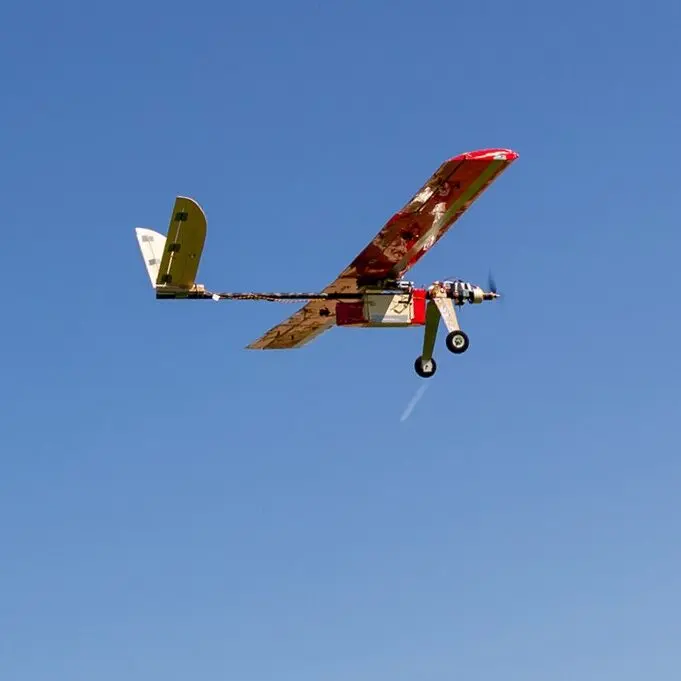
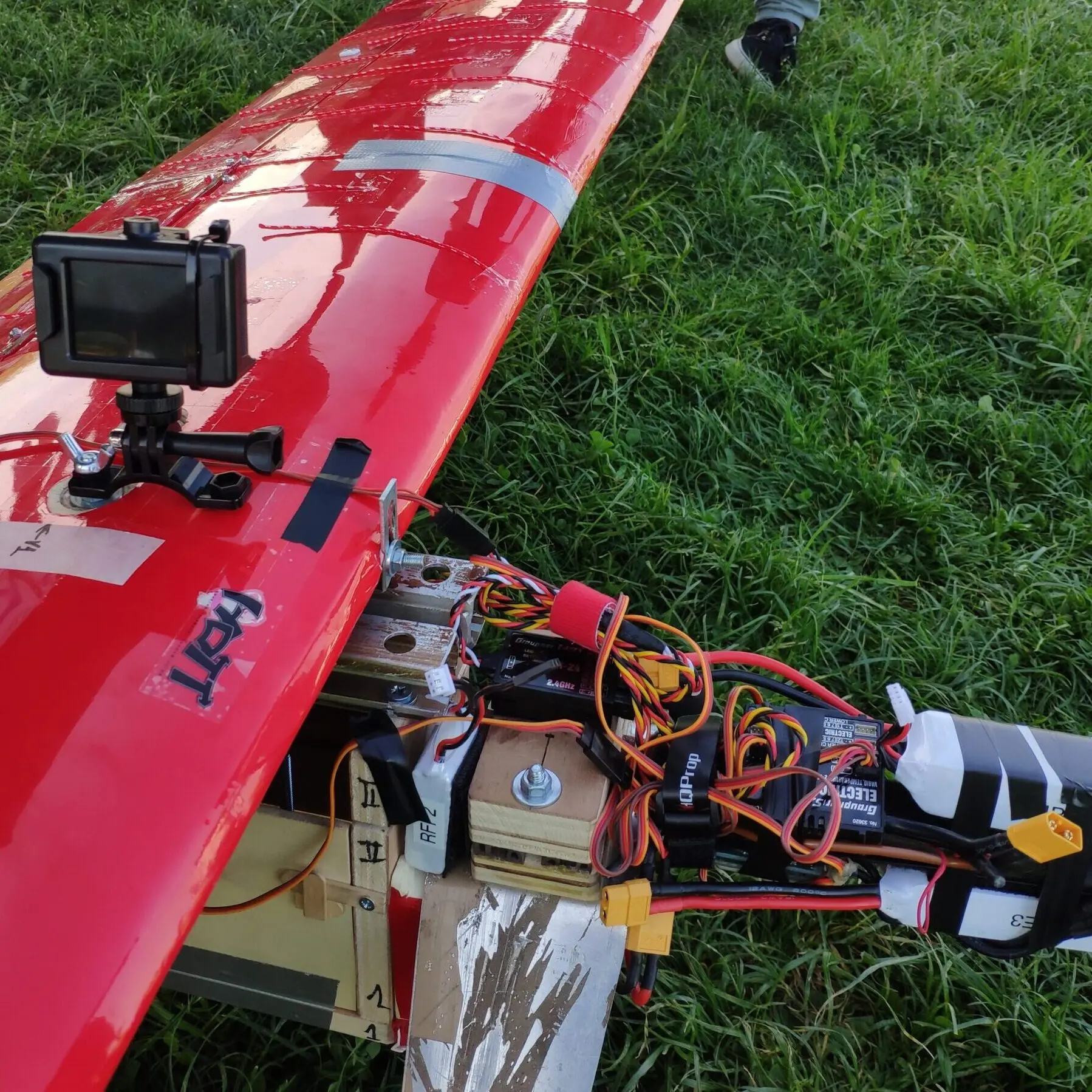
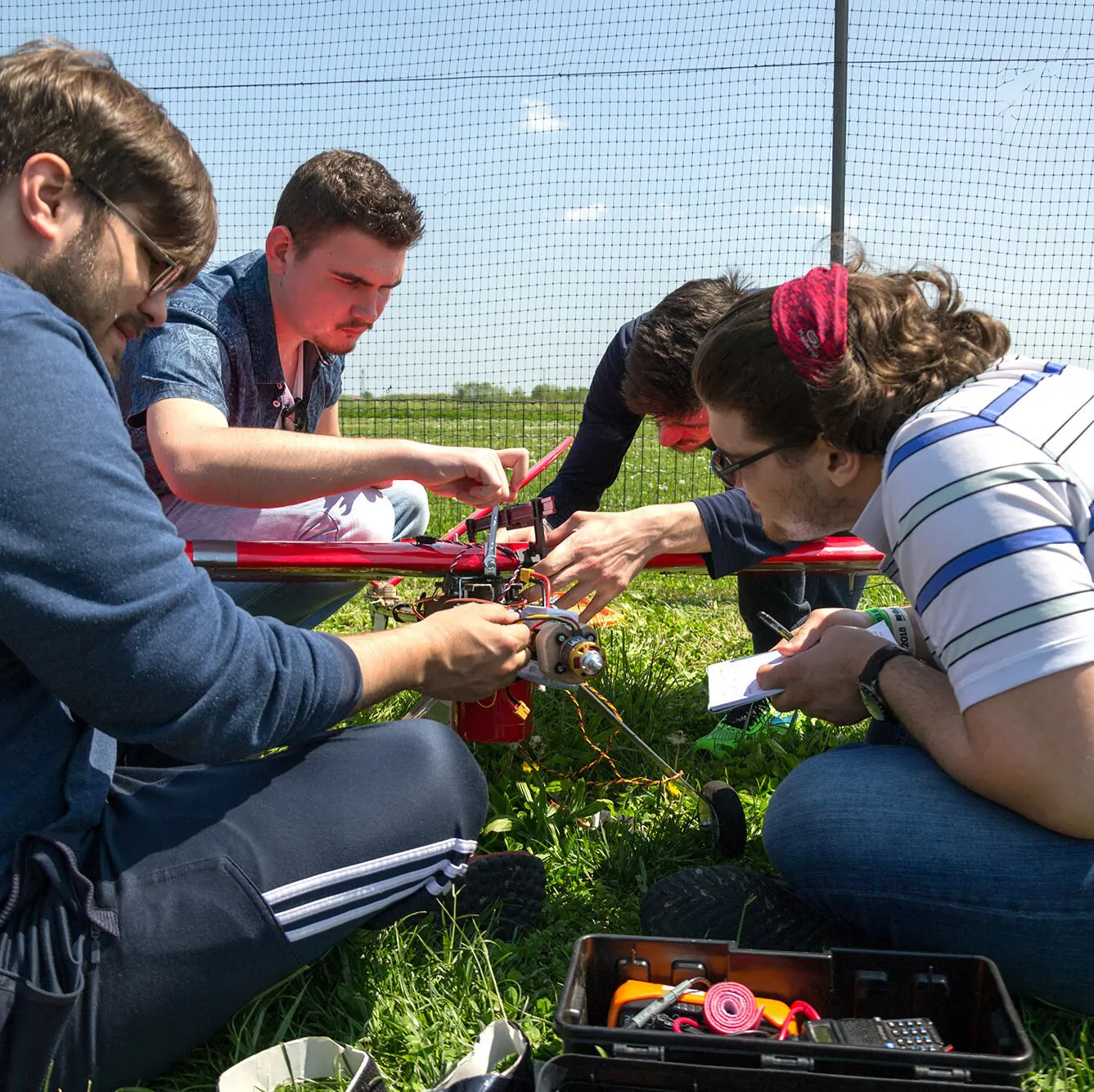
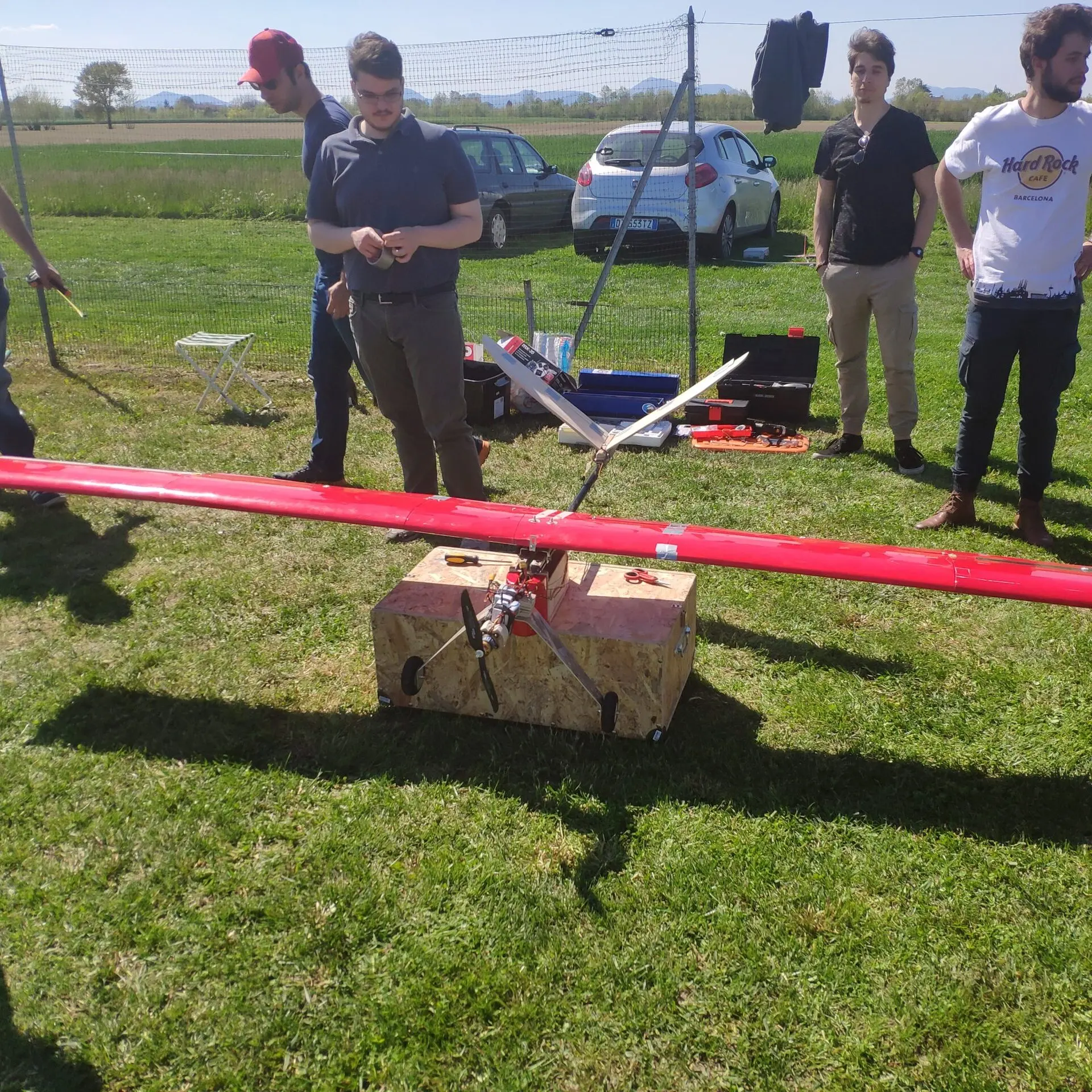
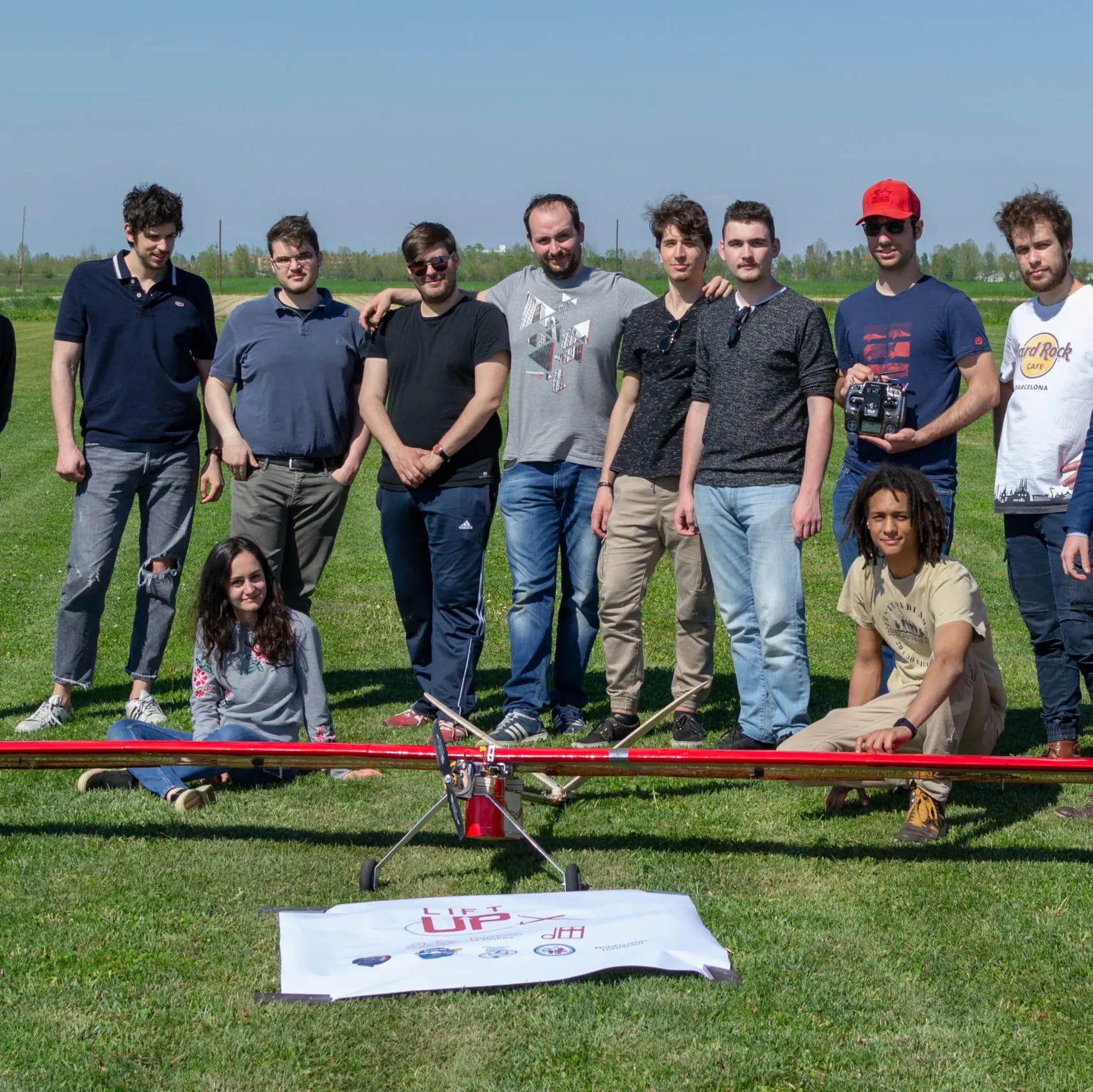
V-tail, tail-dragger landing gear, composite fuselage and a carbon-reinforced wooden wing. It carries up to 6 kg, loaded in just 13.3 seconds; disassembled, it fits in a 75 × 50 × 25 cm box. The red recalls the university, the white keeps the fuselage cool in summer. The name honours the main designers of its subsystems: Marco Tamiazzo (fuselage), Marco Carraro (tail) and Marco Panizzo (wing).
2019 · The prototype
Tullio
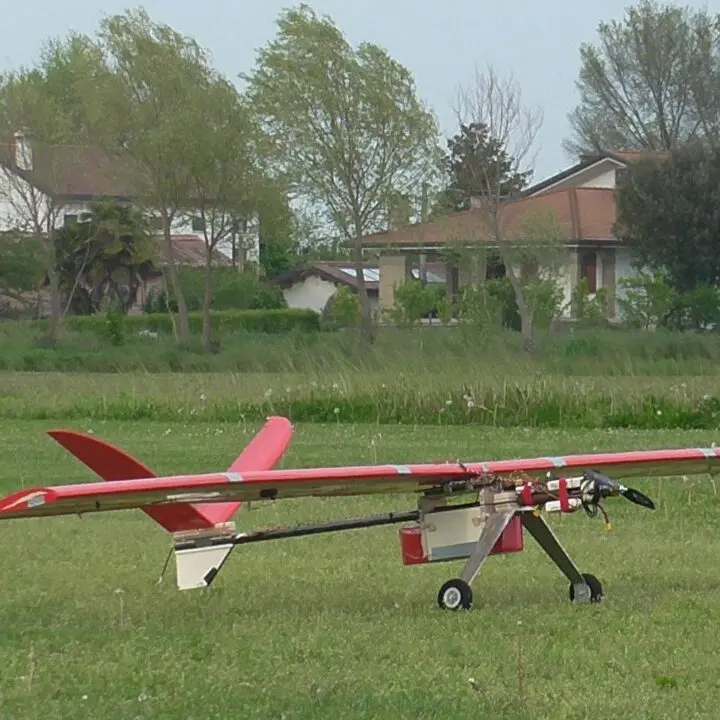
The prototype where all our design experience began.
A fully modular, adjustable aircraft built to study and optimise the layouts and solutions later used on Marcoplano. With this test platform we tried out materials, geometries and building methods, laying the groundwork for the races that followed.
It is named after the Paduan mathematician Tullio Levi-Civita, a reference figure for the whole scientific world.
We’ll build
the next one together