ACC 2026 · 5°/34
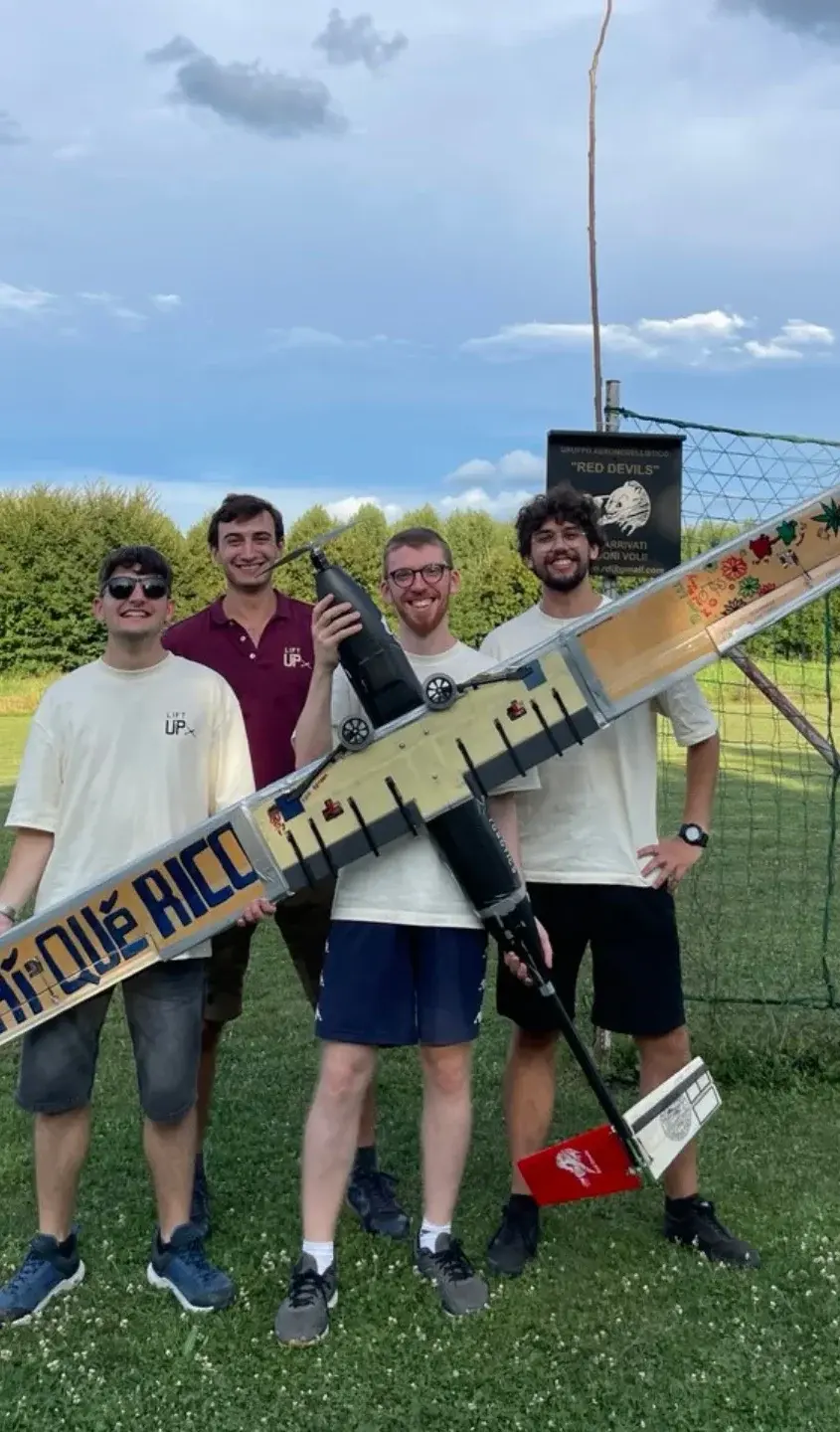
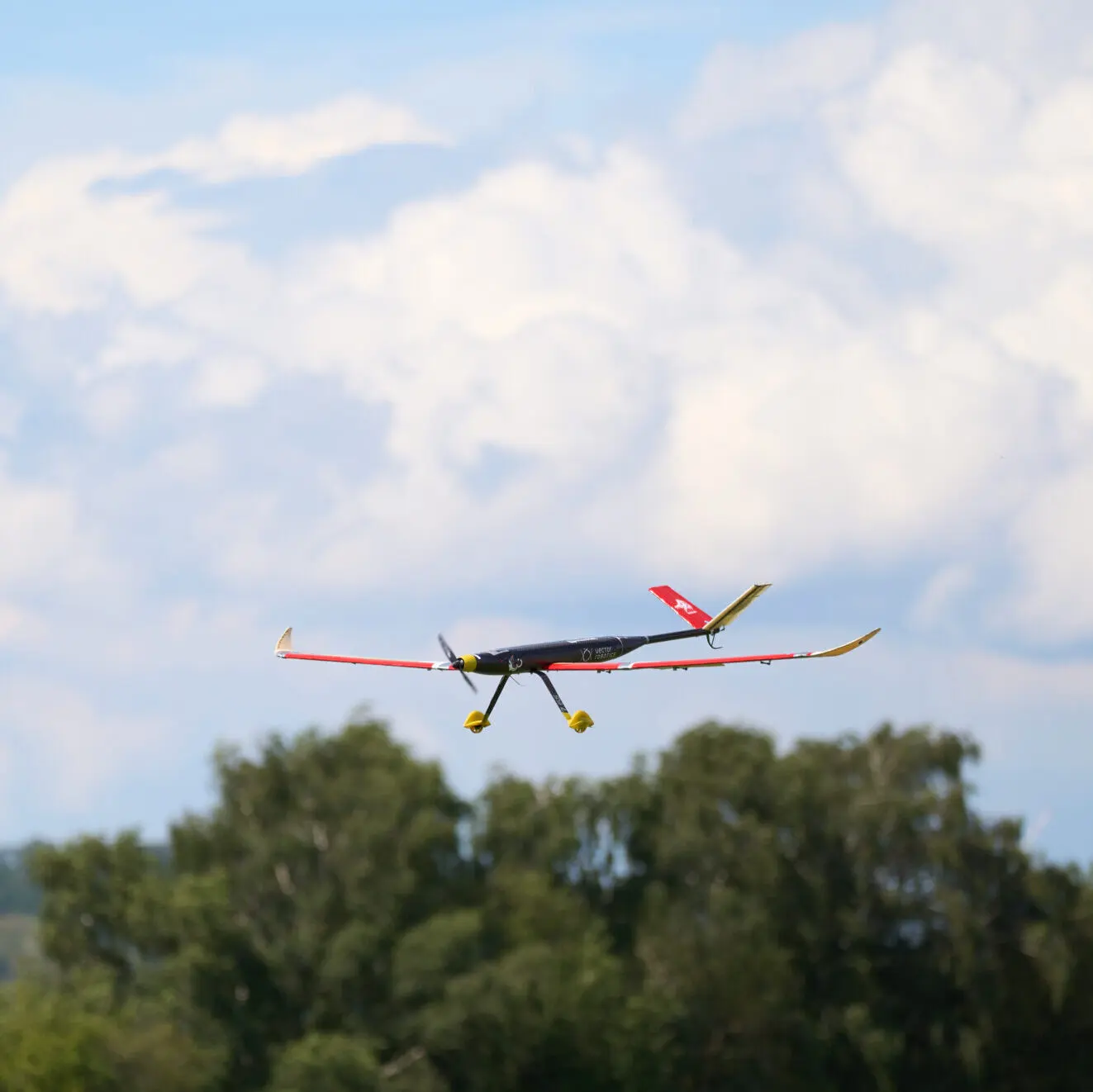
Twin-engine, V-tail, retractable landing gear. Full carbon-fibre structure: the drone that took us to fifth place in Stuttgart.
wingspan2,70 m
top speed122 km/h
take-off mass6,5 kg

Drone team · University of Padua · since 2017
Our aircraft · ACC 2026
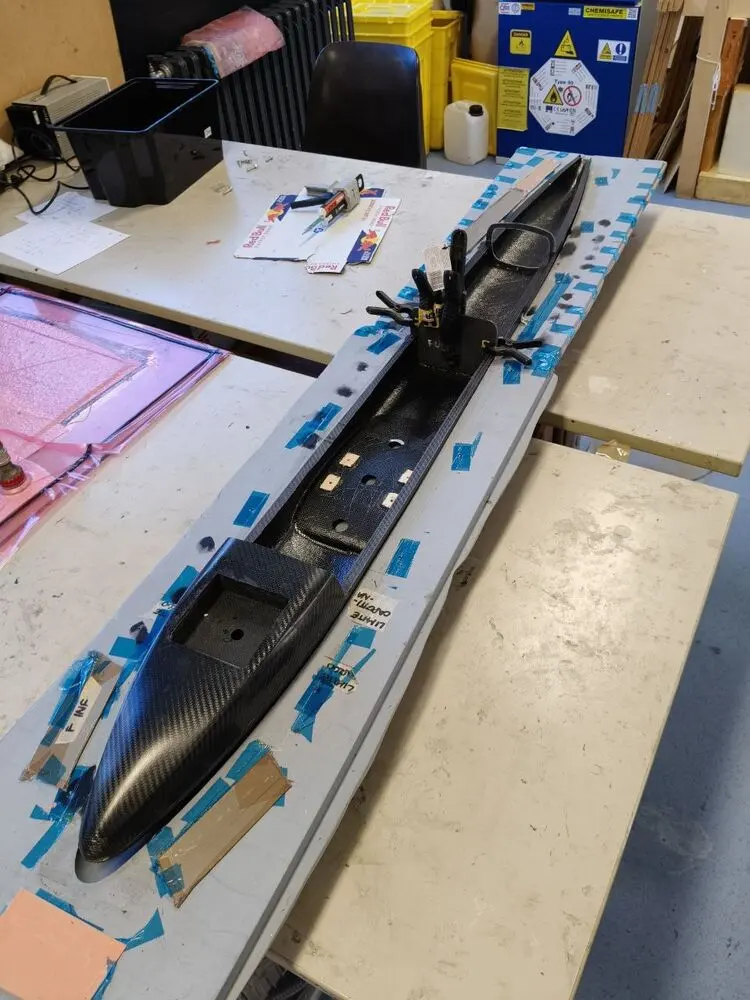
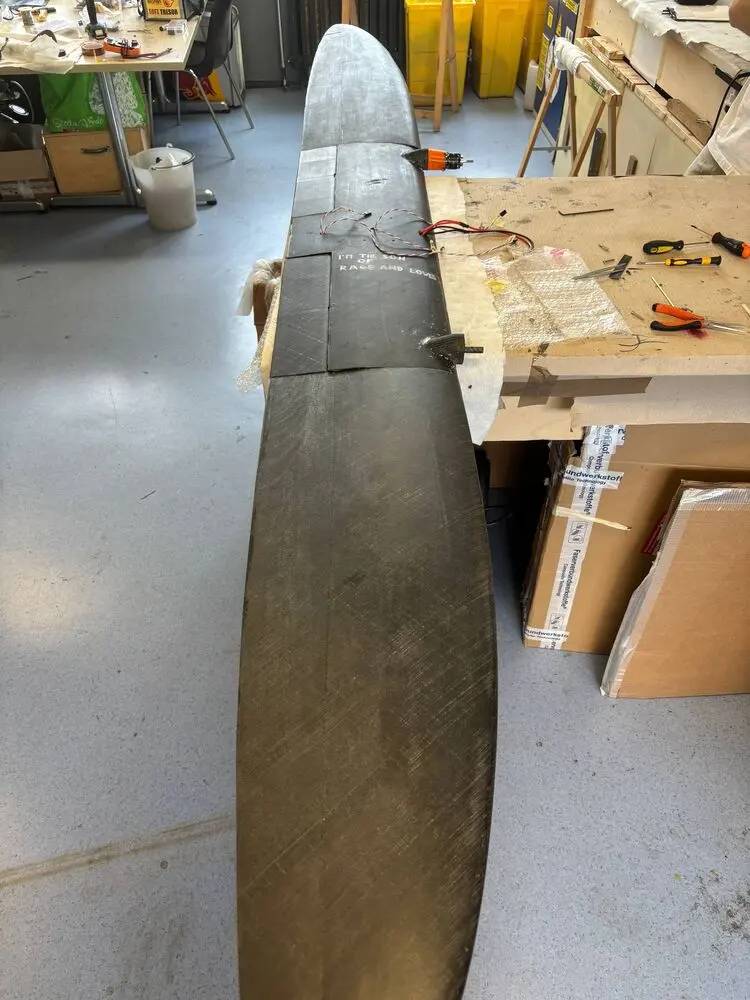
Twin-engine, V-tail, retractable landing gear. A full carbon-fibre structure, designed and built by us.
Who we are
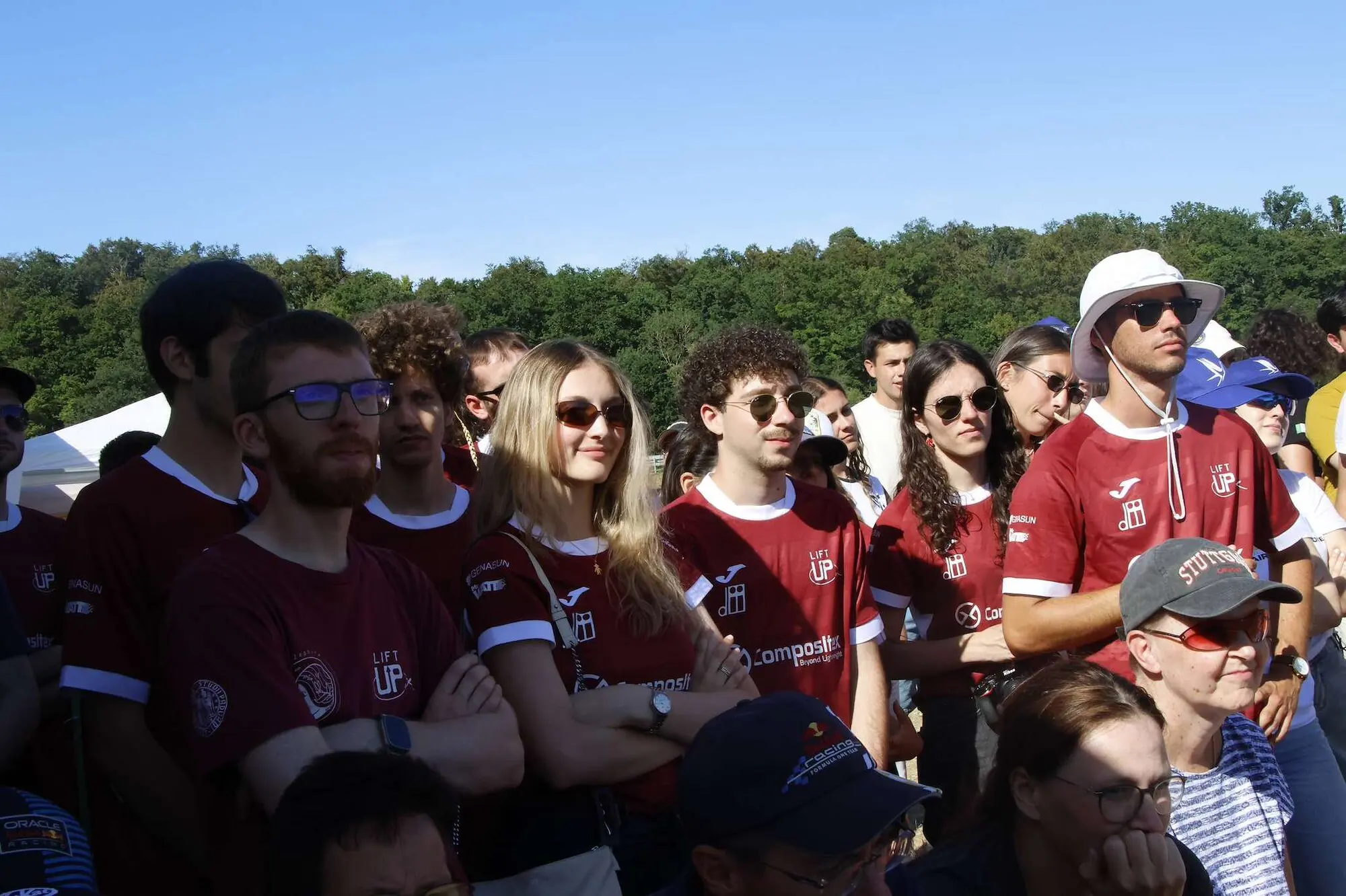
We are a team of students from the University of Padua who design, build and fly innovative prototypes in the aerospace field.
We compete in the Air Cargo Challenge, the international competition where we turn ambitious ideas into real results, driven by innovation, technical skills and enthusiasm.
Through lab experiments and field tests we grow together, putting creativity, research and team spirit to work. We are students, engineers and innovators: ready for take-off.
Founded
Best ACC finish
Students in the team
Race drones built
Find out who we are and how we work. If you have questions, just get in touch.
The team→
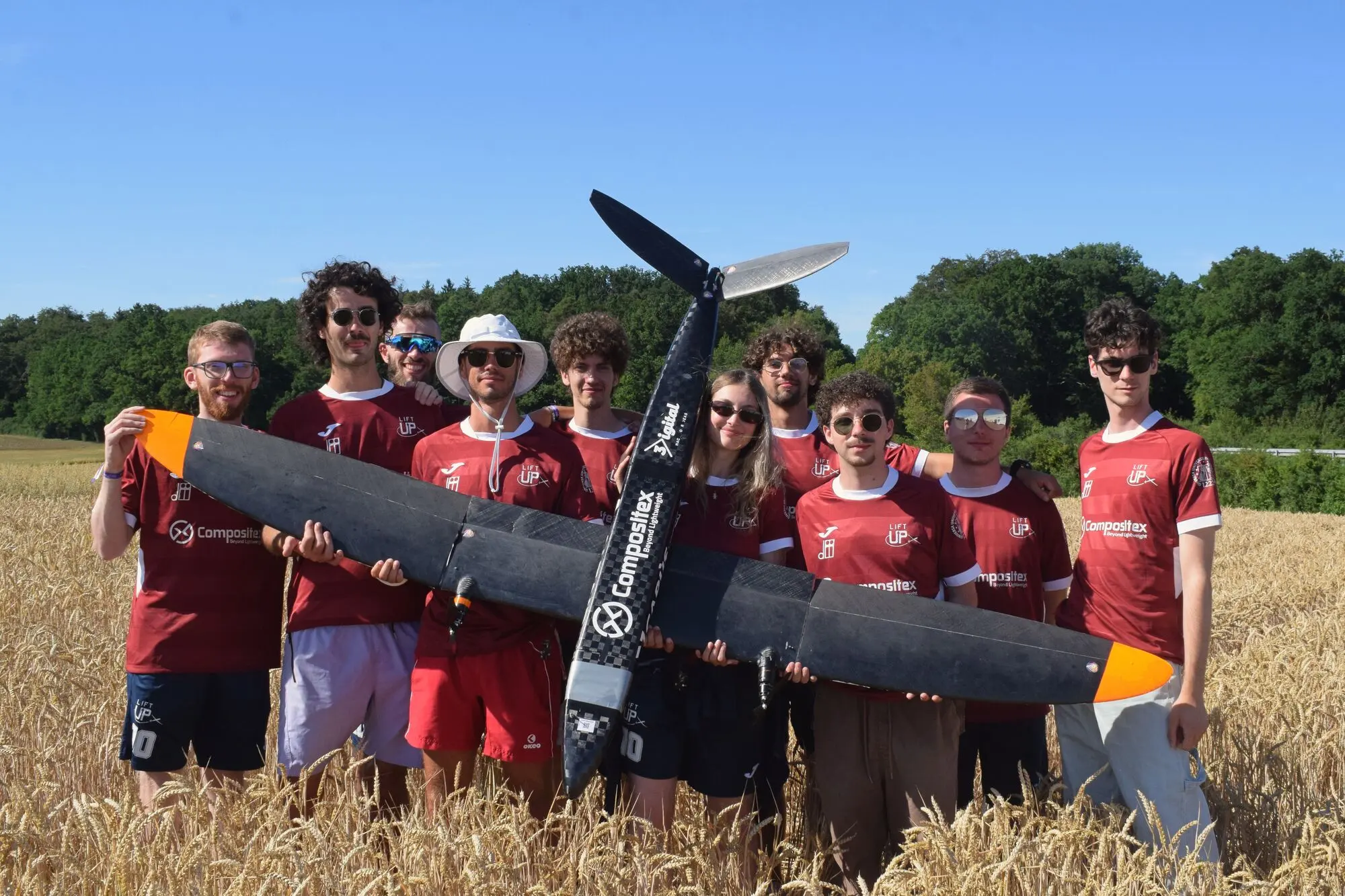
We give students the chance to put what they study into practice and, above all, to develop skills that matter in the working world.
Our activities→
Join us: turn your ideas into real projects and find out first-hand what it means to be part of this team.
Applications open→
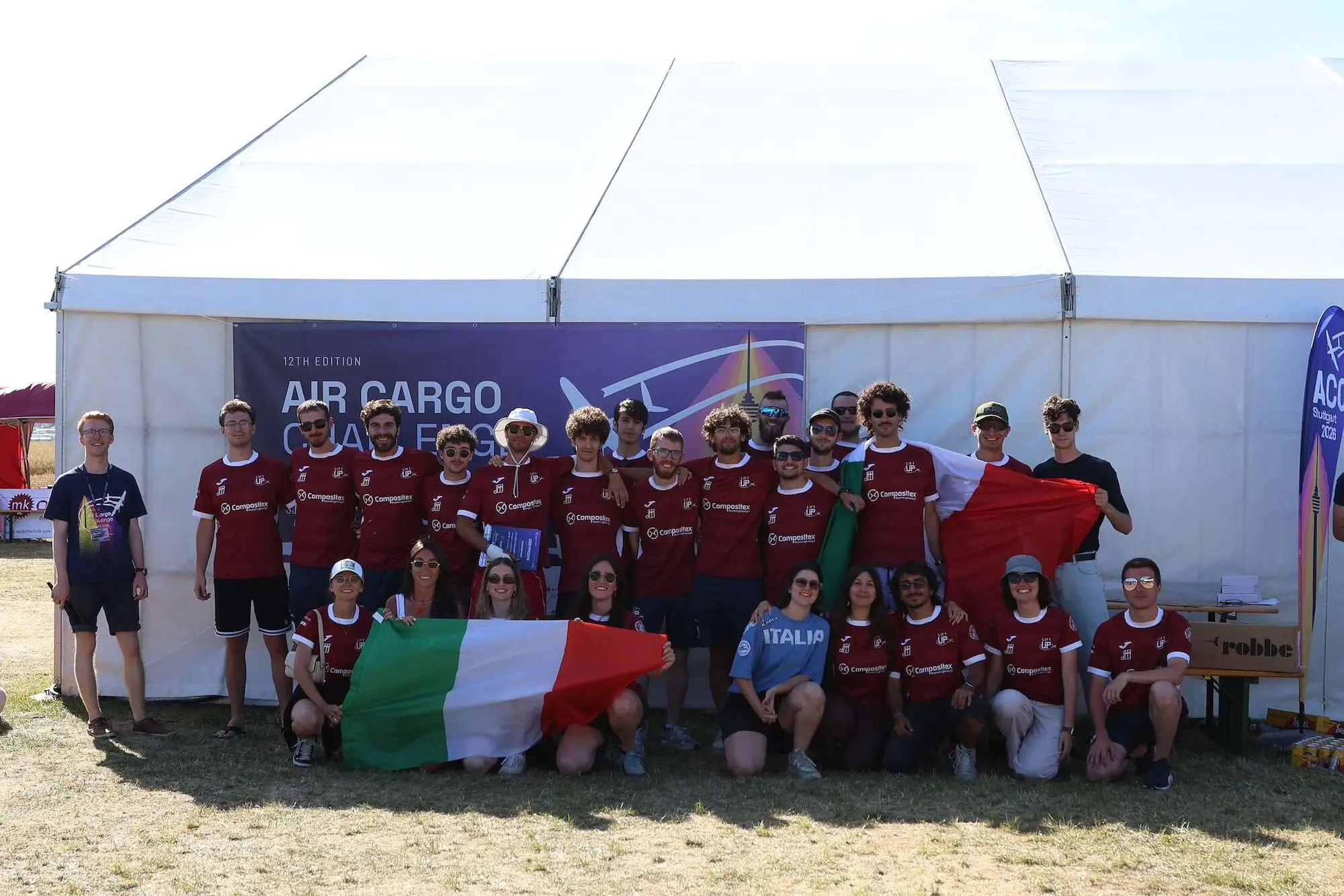
Air Cargo Challenge 2026 · Stuttgart
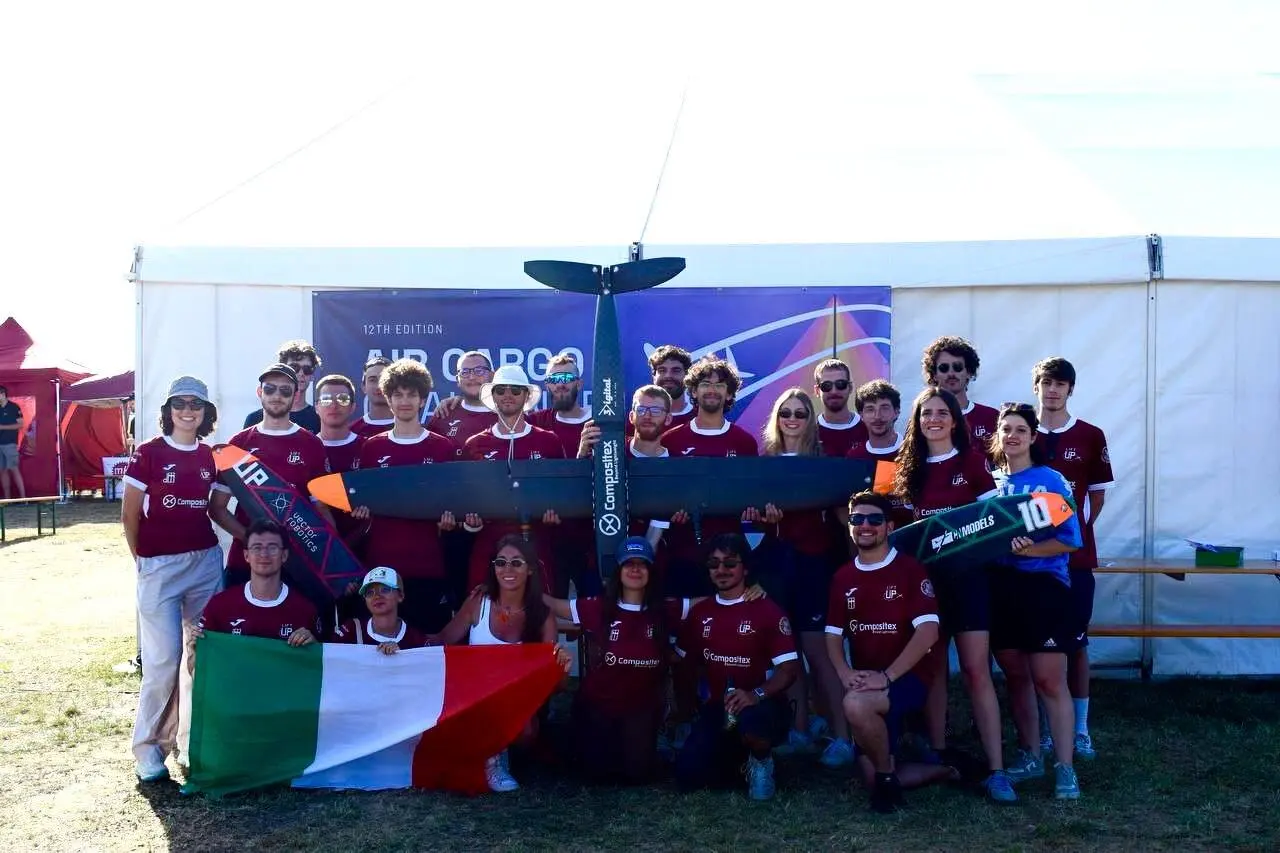
In late June we took Midnight to Stuttgart, among 34 international university teams. The winner flies the most payload with the most efficient aircraft: we finished fifth.
The fleet
ACC 2026 · 5°/34
Twin-engine, V-tail, retractable landing gear. Full carbon-fibre structure: the drone that took us to fifth place in Stuttgart.
ACC 2024 · 10°/30
V-tail and an innovative landing gear with airless wheels in glass and carbon fibre. Fully dismountable and easy to transport.
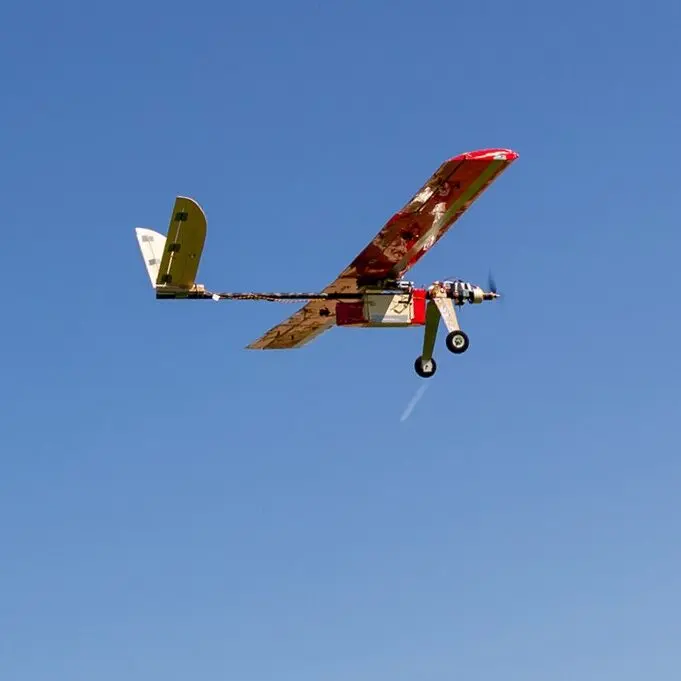
ACC 2022 · 6°/30
Inverted V-tail, pusher propeller, winglets and a large front cargo bay. Entirely in carbon fibre.
ACC 2019 · 8°
Our first race drone: V-tail, tail-dragger landing gear, composite fuselage and a carbon-reinforced wooden wing.
Prototype
The prototype where it all began: modular and adjustable, built to study the layouts later used on Marcoplano. Named after the Paduan mathematician Tullio Levi-Civita.
What we do
01
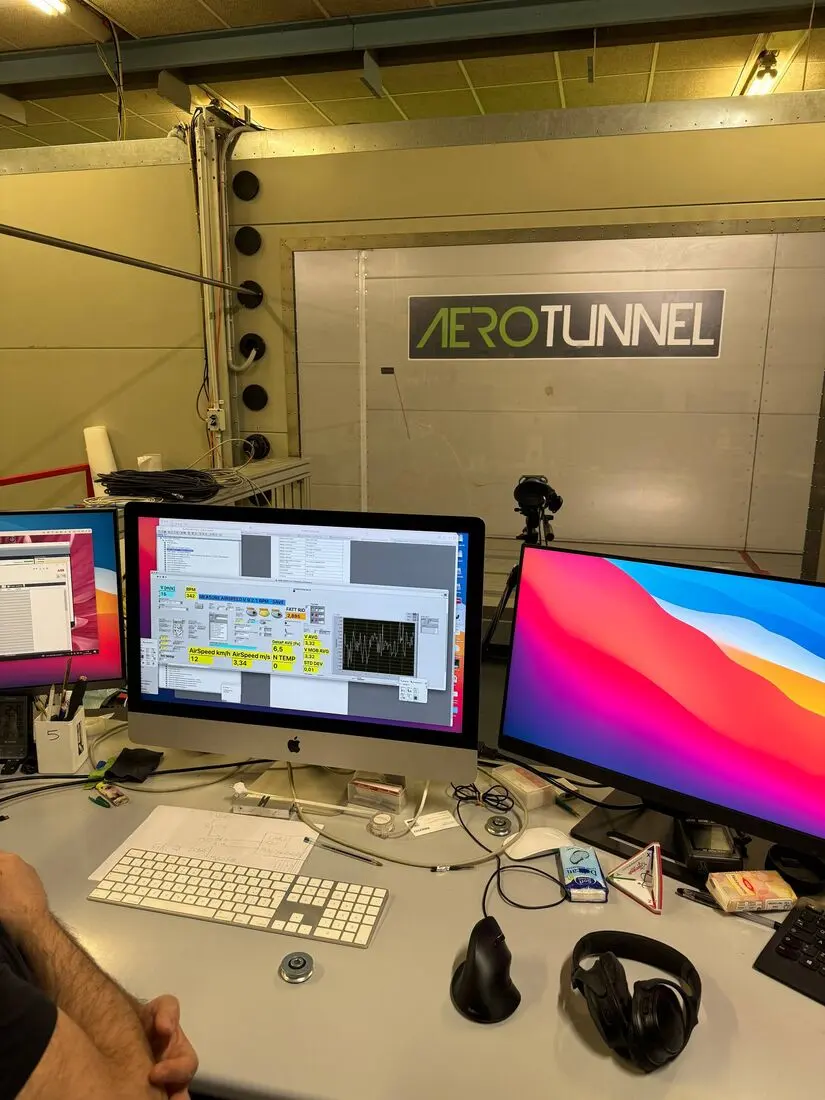
Every drone starts with a design process covering all of the aircraft’s systems, from aerodynamics to structures, to maximise race performance.
02
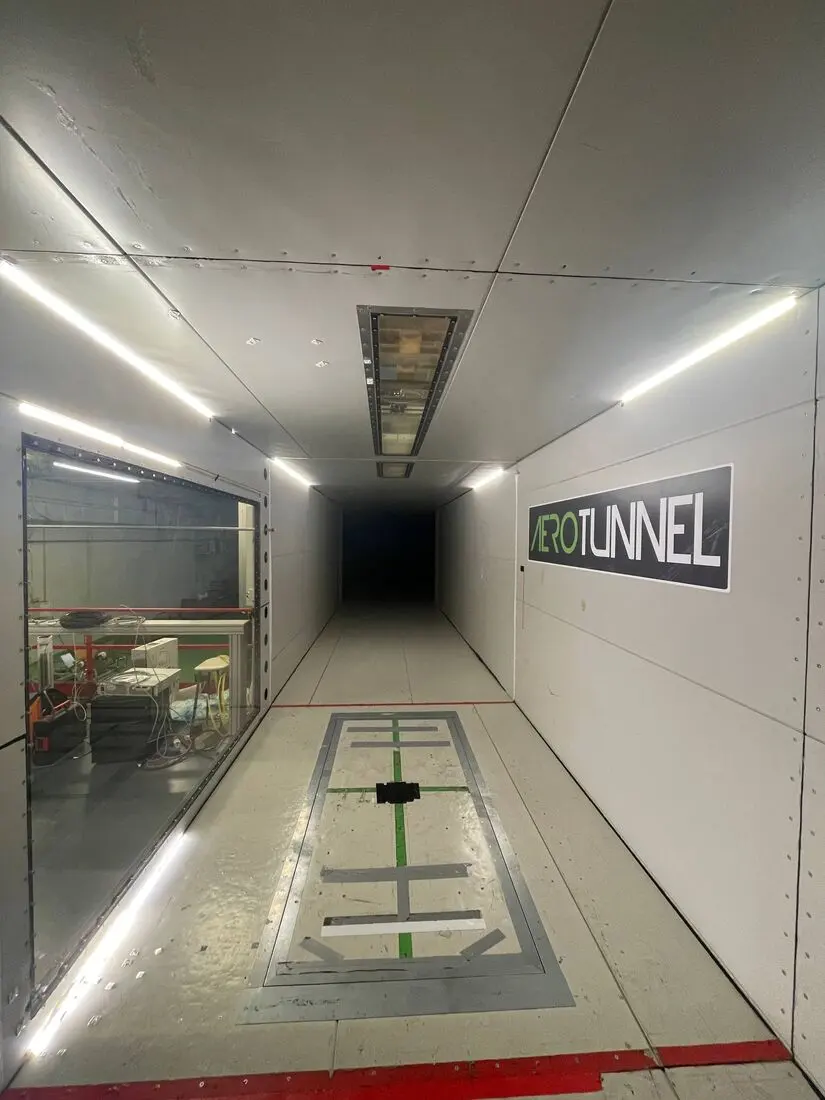
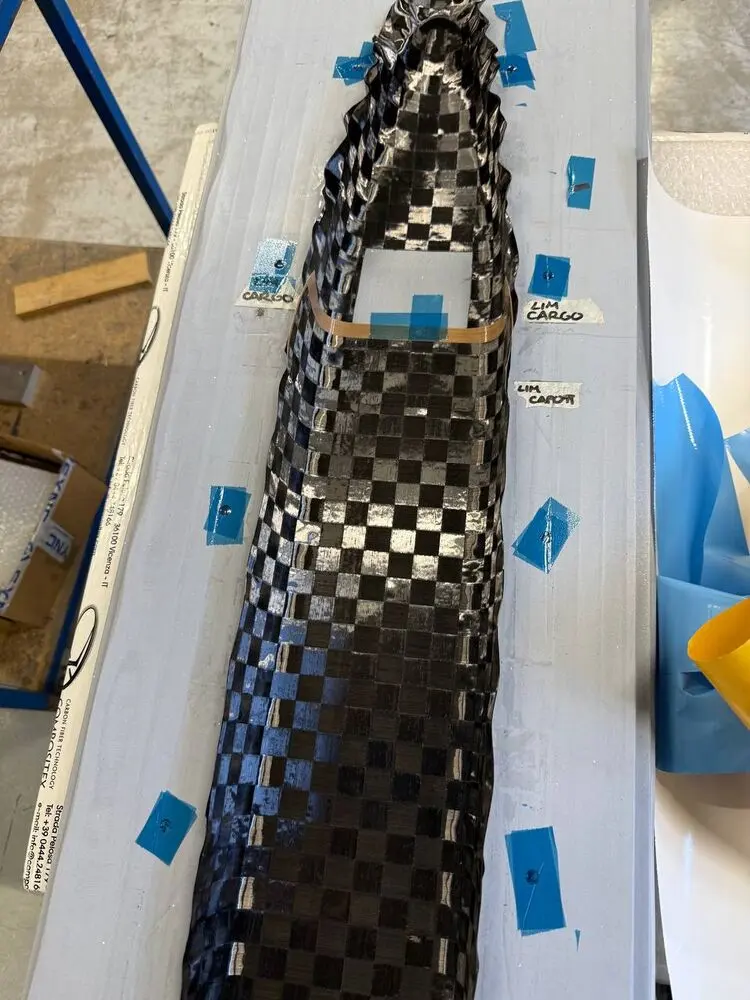
Our drones come to life in the lab of the Department of Industrial Engineering: balsa, wood and carbon- and glass-fibre parts.
03
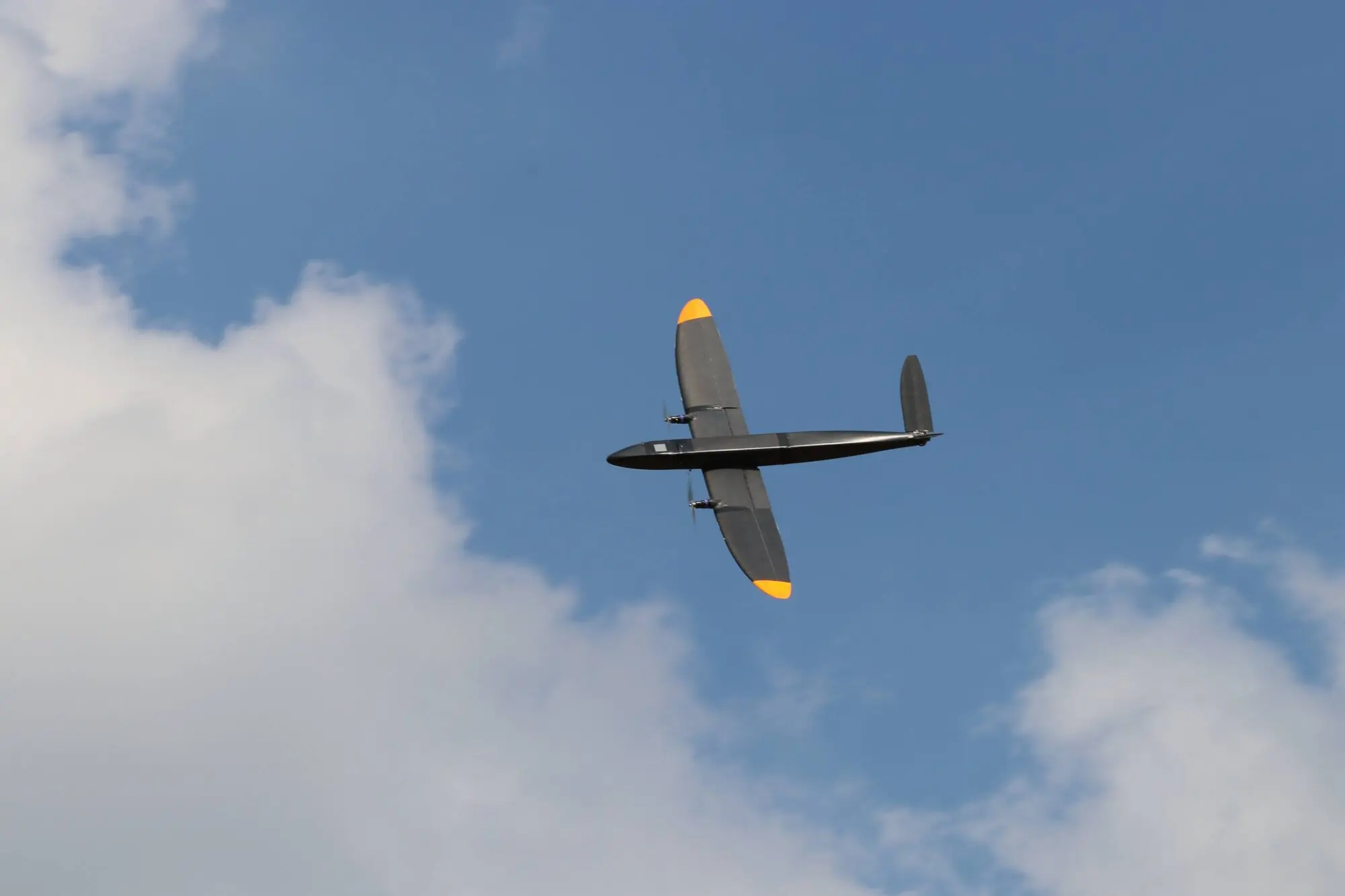
At equipped flying fields we measure our aircraft’s performance. The data helps us improve today’s drone and design tomorrow’s.
04
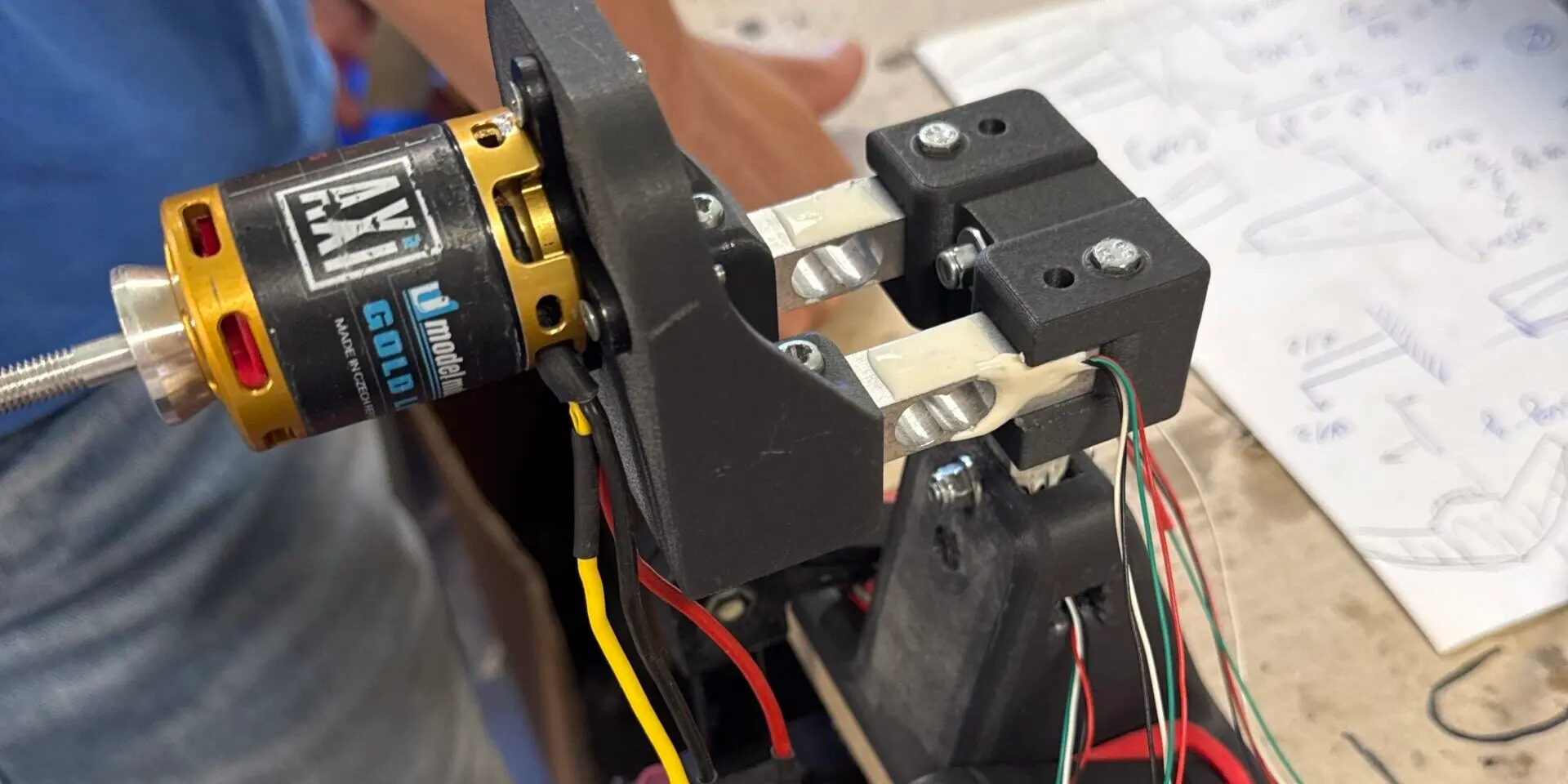
We built our own tensile-testing machine for composite specimens and a test stand to measure motor and propeller performance.
Watch
us fly
Recruiting 2026/27 · applications open
We are looking for new people in five departments. No experience needed: just the will to learn.
Midnight’s sponsors and partners